How Many Days Do You Need in Bath?
One full day sees the best of Bath. A second day changes what kind of trip it is.
 Written with James Thornton, London to Bath day tour guide & heritage specialist
Short answer
One full day is enough to see Bath's highlights: the Roman Baths, the Abbey, the Royal Crescent, the Circus and Pulteney Bridge, all within an easy walk. Give it two days if you also want to bathe at Thermae Bath Spa, visit Prior Park or the museums, or take a day trip to the Cotswolds or Stonehenge. Bath is compact, so most people are happy with one or two days.
Bath is small. You can walk from the Roman Baths to the Royal Crescent in about fifteen minutes, and the whole historic centre folds into a space you could cross on foot in half an hour. That compactness is the answer to how many days you need: fewer than you might think for a city this famous.
The honest range is one to two days for most people. One day covers the essentials well. On a short visit a hop-on-hop-off bus gives you a fast orientation, looping the main sights in well under an hour, a separate add-on to the featured day tour, and you can check availability here. Two days turns a sightseeing sprint into a proper visit with room to slow down. Three or more only makes sense if you are using Bath as a base for the wider region. Let me break it down by what you actually get from each.
Is one day enough to see Bath?
Yes, one full day covers Bath's essentials comfortably: the Roman Baths, Bath Abbey, the Royal Crescent, the Circus and Pulteney Bridge all sit within a fifteen-minute walk of each other. The fastest direct train from London Paddington takes 1 hour 19 minutes, which is why Bath works so well as a day trip.
Here is how a single day fits together:
| Morning | The Roman Baths, allowing 1.5 to 2 hours, then Bath Abbey next door, where sightseeing entry is ticketed. |
|---|---|
| Midday | Walk up through the Georgian streets to the Royal Crescent and the Circus, past the shops and Milsom Street. |
| Afternoon | Pulteney Bridge and the weir, Parade Gardens for the view, and a Sally Lunn bun or tea in the Pump Room. |
That is a full, satisfying day with no wasted time, and it is exactly the plan in our one day in Bath guide. It works as a day trip from London too: GWR's fastest direct service from Paddington takes 1 hour 19 minutes, around 72 trains run the route on an average weekday, and our guide to how far Bath is from London covers the journey in detail. If you would rather not manage the train times and route yourself, a guided day tour from London fits these highlights into one smooth day and takes the logistics off your hands.
The one thing you will not squeeze into a single day is bathing at Thermae Bath Spa, at least not without dropping a couple of the sights. A spa session takes real time. Which leads to the case for a second day.
What does a second day in Bath add?
A second day adds the things a sprint skips: a proper session at Thermae Bath Spa, Prior Park Landscape Garden with its rare Palladian Bridge, museums like No.1 Royal Crescent and the Jane Austen Centre, and time to eat well. Two days turns a checklist into an actual visit.
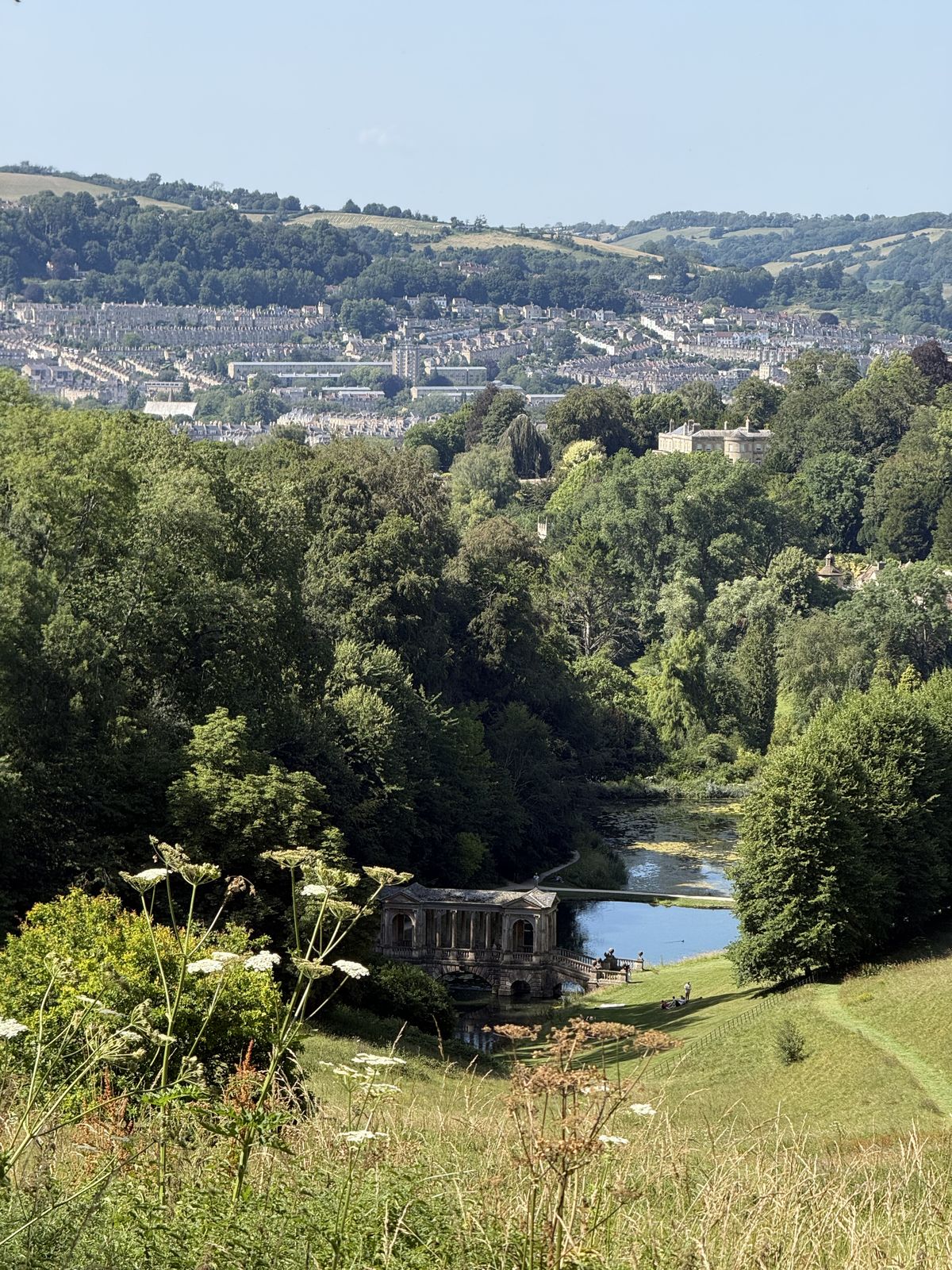
Give Bath two days and the pace changes completely. The first day you do the highlights above. The second day you add the things a rushed visit skips:
- Thermae Bath Spa, the modern spa with the rooftop thermal pool. This is where you actually bathe in the hot spring water, and it deserves an unhurried slot.
- Prior Park Landscape Garden, a short bus ride or uphill walk from the centre. Its Palladian Bridge is one of only four of that design in the world, the garden was shaped with advice from Alexander Pope and Capability Brown, and there is no visitor parking, so arrive on foot or by bus.
- The museums and Georgian interiors: No. 1 Royal Crescent, furnished as it was in 1776 to 1796, the Jane Austen Centre on Gay Street, the Fashion Museum or the Holburne, depending on your taste. Or climb the 212 steps of Bath Abbey's tower tour for the view over the city.
- A slower pace: a long lunch, more time in the independent shops, an evening meal instead of a dashed train home.
Two days is the sweet spot for a first proper visit. You see everything worth seeing and still get to sit still for a while.
| Stay | What it gets you |
|---|---|
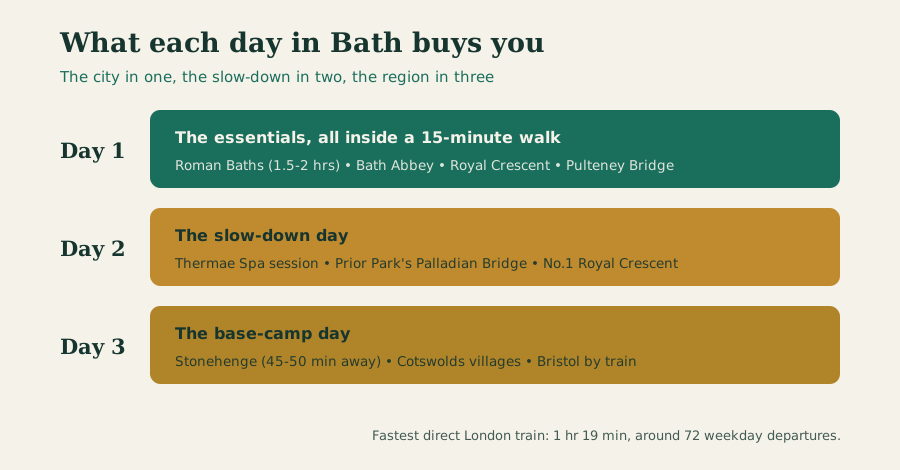
| One day | The essentials: Roman Baths, Abbey, Royal Crescent, the Circus, Pulteney Bridge |
| Two days | Adds Thermae Bath Spa, Prior Park, the museums and unhurried meals |
| Three or more | Day trips: Stonehenge, the Cotswolds, Bristol |
When do three or more days in Bath make sense?
Only when Bath becomes your base for the region. Stonehenge sits a 45 to 50 minute drive away, the Cotswolds National Landscape spreads across 787 square miles of honey-stone villages, and Bristol is a short train hop. Spend day three out of town rather than on Bath itself.
Bath itself does not need three days. But it is a superb base, and that is when a longer stay earns its keep. Stonehenge is about 45 to 50 minutes away by road, its great sarsen stones standing up to about 7 metres tall and weighing around 25 tonnes. The Cotswolds villages like Castle Combe and Lacock are close, and Bristol is a short train ride. Combined Bath and Cotswolds or Bath and Stonehenge itineraries are common precisely because the surrounding countryside is so rich.
| Day trip from Bath | Getting there | The headline |
|---|---|---|
| Stonehenge | About 45 to 50 minutes by road | Sarsens up to 7 m tall and around 25 tonnes; the bluestones came some 150 miles from Wales |
| The Cotswolds | Villages such as Castle Combe and Lacock nearby | 787 square miles, England's largest National Landscape, designated 1966 |
| Bristol | A short train ride | The big-city contrast to Georgian Bath |
So spend a third day on a day trip out, not on Bath itself. There is only so much Georgian terrace one town can hold, however beautiful.
How many days do you need for your kind of trip?
First-timers on a day trip need one focused day. Couples wanting the spa should take two. History and architecture lovers fill two days easily with Prior Park and the Georgian interiors. Anyone using Bath as a base for Stonehenge, the Cotswolds or Bristol should book two nights or more.
First-timers on a day trip: one day, focused on the Roman Baths, Abbey, Royal Crescent and Pulteney Bridge.
Couples or anyone wanting to relax: two days, adding the spa and a slower evening.
History and architecture lovers: two days, using the second for Prior Park, the museums and the Georgian interiors.
Using Bath as a regional base: two nights or more, with day trips to Stonehenge and the Cotswolds.
Whichever you are, Bath rewards a walking pace over a hurried one. If you can only spare a day, that is fine, it is one of the best day trips from London. If you can give it two, do. Still deciding whether the trip is for you at all? Our take on whether Bath is worth visiting lays out the case.
What does one full day in Bath actually look like, hour by hour?
Land by mid-morning and one day covers everything that matters. A ten o'clock arrival gives the Roman Baths a proper ninety minutes, the Georgian upper town a lunchtime wander, and Pulteney Bridge an unhurried afternoon, with tea before an early-evening train home. That is a complete first visit without rushing.
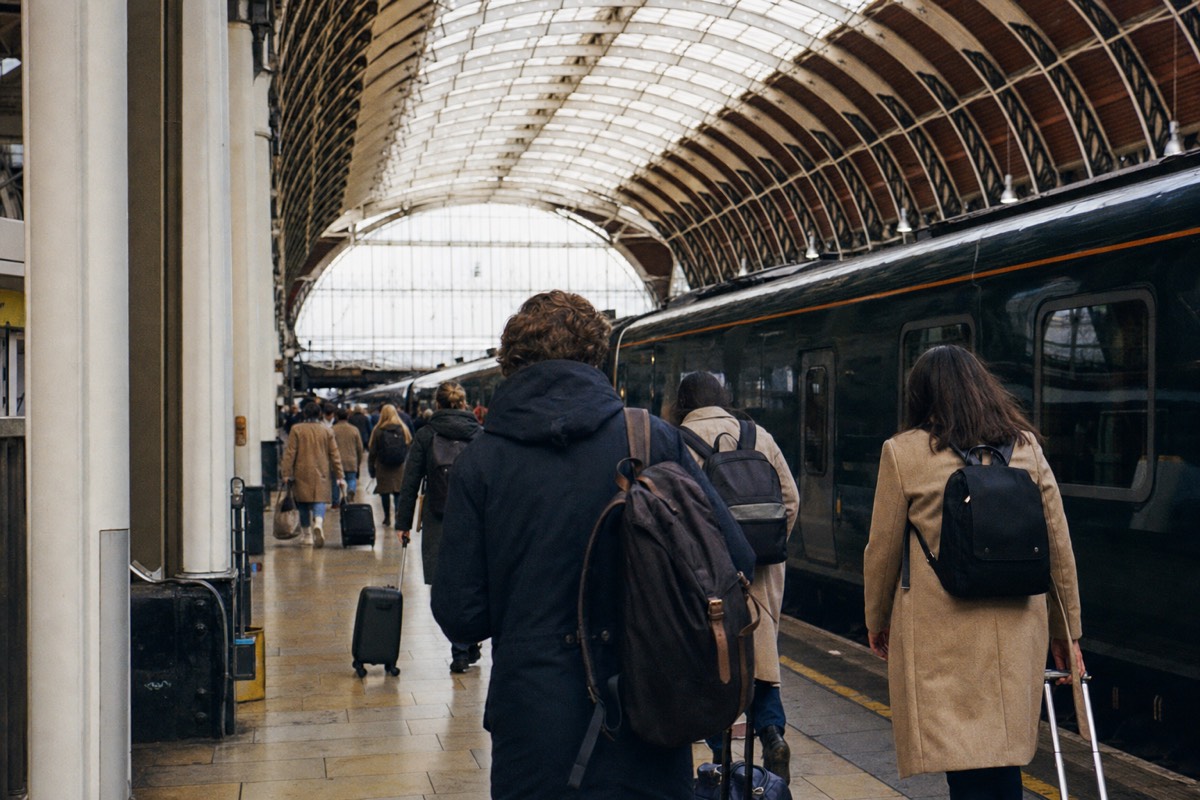
Here is a realistic shape for a day built around the fastest direct service from London.
| Time | Where you are | Why it works then |
|---|---|---|
| 10:00 | Off the train at Bath Spa, five minutes' walk from the centre | Beat the midday coach crowds to the Baths |
| 10:15 | The Roman Baths | Allow ninety minutes to two hours with the audio guide |
| 12:15 | Bath Abbey next door, ticketed entry | Allow for admission if you go inside |
| 12:45 | Lunch, a bakery bun or a light sit-down | Refuel before the uphill walk |
| 13:45 | The Circus and the Royal Crescent | The Georgian set piece, best in early-afternoon light |
| 15:00 | Pulteney Bridge, the weir and Parade Gardens | The classic riverside view |
| 16:00 | Tea, a Sally Lunn bun or the Pump Room | The sit-down reward |
| 17:30 | Back at Bath Spa for the train home | Home by a sensible hour |
The single-day plan lives or dies on the first train. An early departure from Paddington puts you in Bath before the day-tour coaches unload, which is the difference between a calm start at the Roman Baths and a slow shuffle through the busiest rooms. Give the Baths the full ninety minutes the audio guide is built around; the track voiced by Bill Bryson is part of what you paid for. From there the day almost plans itself, because everything is close. The Abbey is next door; allow for a sightseeing ticket if you want to go inside and look up at the fan vaulting.
The walk up to the Circus and the Royal Crescent is gentle rather than steep, and the mid-afternoon light on the honey-coloured stone is the reason to save it for after lunch rather than rush it first thing. Come back down through the Georgian streets to Pulteney Bridge and the horseshoe weir, then Parade Gardens for the view from the south bank. By four o'clock you have earned a sit-down, whether that is a Sally Lunn bun or tea in the Pump Room above the Baths. The five o'clock and half-past departures give you a margin, so you are not sprinting for the platform. None of this needs a car, and none of it needs a second day. What a day trip cannot give you is the spa, and that single omission is the whole argument for staying longer.
Which month suits a one or two day Bath trip best?
Late spring and early autumn give the best balance. May and September pair mild weather with lighter crowds than the July and August peak, and long enough daylight to walk the city after the sights close. December trades weather for the Christmas market, and a wet winter day suits the indoor Baths, Abbey and museums perfectly.

| Period | Weather | Crowds | Daylight | The edge |
|---|---|---|---|---|
| May | Mild, changeable | Moderate | Long | Best all-round balance for one or two days |
| Jul to Aug | Warmest | Busiest, book the Baths ahead | Longest | Bring a second day to escape the crush |
| September | Mild, often settled | Easing off | Still generous | Quiet rival to May; Jane Austen Festival late in the month |
| December | Cold, often wet | Busy around the market | Short | Christmas market chalets around the Abbey |
| Jan to Feb | Cold, wet | Lightest | Short | A one-day indoor plan, the Baths at their calmest |
The weather in Bath is the changeable west-country kind, so no month is a guarantee, but the pattern is reliable enough to plan around. May and September are the quiet favourites: mild, often settled, and busy enough to feel alive without the July and August queues that make timed Roman Baths tickets essential. Those two peak months are still a fine time to come, but they are the strongest case for a second day, because a crowded city rewards a slower pace. Bath's compact centre means you are rarely far from shelter, which is why a wet forecast is less of a problem here than almost anywhere. The Roman Baths, the Abbey, the museums and the tea rooms are all indoor, so a grey day simply reshuffles the order rather than ruining the plan.
Winter has its own logic. From late November the Christmas market fills the streets around the Abbey with chalets, and the city is busy in a festive rather than a sightseeing way; check the year's dates on the official market site before you build a day around it. January and February are the emptiest months, and if your priority is the Roman Baths at their calmest, a cold weekday then is hard to beat. Late in September the Jane Austen Festival brings its Regency promenade to the streets, which is either a draw or a reason to book ahead, depending on your taste.
What does James tell first-time visitors about how long to stay?
James Thornton has guided London-to-Bath day trips since 2022 and has taken more than a thousand international travellers around the city. His advice is blunt: most first-timers need one focused day, not two, and the people who regret their trip are the ones who tried to add a third sight rather than slow down on the ones they came for.
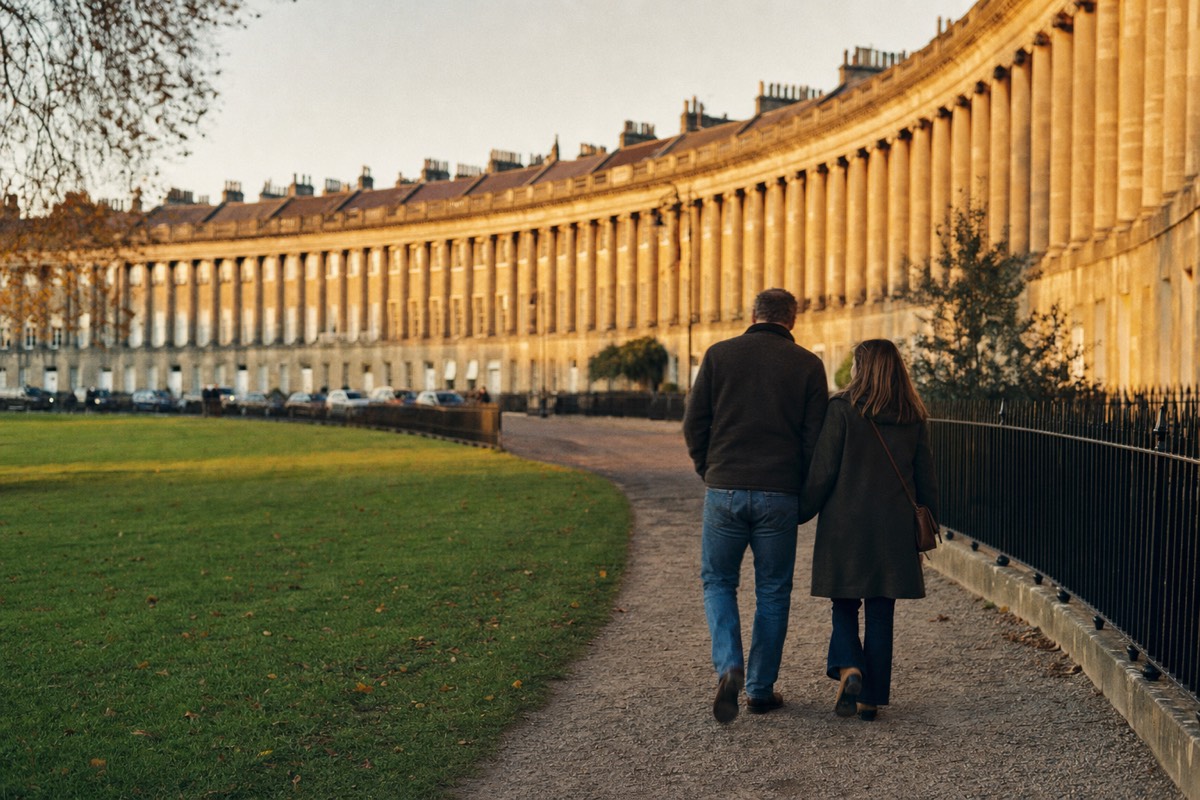
I have been guiding London-to-Bath day trips since 2022, and in that time more than a thousand travellers have walked the city with me. The question I hear most is whether one day is really enough, and my honest answer surprises people: for a first visit, yes, and trying to stretch it often makes the trip worse rather than better.
The mistake I see again and again is the third-sight problem. Someone reads a long list, decides they must fit the Fashion Museum and the American Museum and a river cruise into the same afternoon, and ends up watching the clock instead of the city. Bath does not reward that. It rewards standing still in front of the Royal Crescent for a few minutes longer than you planned. My rule for first-timers is simple: pick the Roman Baths, the Abbey, the Crescent and Pulteney Bridge, walk between them slowly, and let the Georgian streets be the connective tissue rather than something you rush past.
A second day is worth it, but only for two reasons in my book: the spa, and Prior Park. Thermae Bath Spa is where you actually bathe in the hot spring water, and it cannot be squeezed into a highlights day without gutting the highlights. Prior Park needs the walk out and the walk back, so it wants a morning of its own. If neither of those pulls at you, do not force a second day just because a guide told you to. And whatever you do, book the first train, not the third. The hour you save at the start is the hour that turns a tight day into a relaxed one.
Is it worth staying overnight in Bath?
For a first visit built around the Roman Baths and the Georgian centre, a day trip is enough and an overnight is a luxury rather than a need. Staying over earns its keep when you want the evening: a quiet city after the coaches leave, dinner without watching the clock, and a relaxed second morning for the spa or Prior Park.
| Trip shape | Best for | The trade-off |
|---|---|---|
| Day trip from London | First-timers, the classic highlights | Full but tight; the last train sets your finish |
| One night | Couples, the spa, an evening in the city | An extra cost for a calmer pace |
| Two nights or more | Using Bath as a base for Stonehenge or the Cotswolds | Only worth it if you leave the city on day three |
The last train is the quiet tyrant of a Bath day trip. It sets your finish, and it means the city you see is the daytime one, busy with visitors and closing its doors by early evening. Stay a single night and the character changes: the coach crowds thin out after five, the restaurants stop being a scramble, and you get Bath at its most handsome in the low evening light with far fewer people in it. That evening is the real thing an overnight buys, more than the extra sightseeing hours.
The second morning is the practical bonus. It is when a spa session or a trip out to Prior Park stops competing with the headline sights and gets a slot of its own. For couples, or anyone whose idea of a good trip includes a proper dinner rather than a station sandwich, one night is the upgrade that matters most. Two nights only makes sense if you plan to leave the city, using Bath as the base it is so well suited to be, with Stonehenge and the Cotswolds within easy reach. If your third day is spent walking the same Georgian terraces a third time, you booked one night too many. Match the number of nights to what you actually want from the evenings and the day trips, not to the fear of missing out.
Do families and less mobile visitors need more time?
Often yes, by a margin. Bath is walkable but hilly, and the climb to the Royal Crescent tells on tired legs and short ones alike. Families with young children and anyone who tires easily should either soften a one-day plan with the hop-on-hop-off bus or spread the same sights across two gentler days rather than one brisk one.
| Traveller | Suggested length | The comfort tweak |
|---|---|---|
| Families with young children | One relaxed day or two gentle half-days | Bus up the hill, park breaks at Parade Gardens |
| Older or less mobile visitors | Two shorter days beats one long one | The Baths and Abbey are flat; save the Crescent for a fresh morning |
| Keen walkers | One day is plenty | The whole centre is a half-hour on foot |
Bath is compact, which is its great advantage, but compact is not the same as flat. The historic centre sits low by the river while the grandest Georgian set pieces, the Circus and the Royal Crescent, stand up the hill, so the walk that looks short on a map has a real climb in the middle of it. For a fit walker that climb is nothing. For a family with a pushchair, or a grandparent who tires by mid-afternoon, it is the point where a happy day turns into a tired one.
The fix is not to see less, it is to pace it differently. The hop-on-hop-off bus does the hill for you and turns the uphill leg into a sit-down with a view, which is why it earns its keep for exactly these groups even though a keen walker would never bother with it. Alternatively, split the same sights across two gentle mornings: the flat riverside cluster of the Baths, Abbey and Pulteney Bridge on one, the upper-town crescents on another, each with a rest in between. Parade Gardens by the river is the natural place to stop, catch breath, and let children run. Plan the rests in from the start and Bath stays the gentle, walkable pleasure it is meant to be.
Is one day enough for Bath?
Yes, one full day covers the main sights: the Roman Baths, Abbey, Royal Crescent, the Circus and Pulteney Bridge, all within an easy walk. It works well as a day trip from London.Is two days too many for Bath?
No. A second day lets you add Thermae Bath Spa, Prior Park, the museums and a slower pace. Two days is the sweet spot for a first full visit.Can you do Bath as a day trip from London?
Yes. The direct train from Paddington takes about 1 hour 20 minutes, and Bath's centre is compact enough to see the highlights in a single day.How many days do you need for Bath and the Cotswolds or Stonehenge?
Add a day for each. Bath makes a good base, with Stonehenge about 45 to 50 minutes away and the Cotswolds villages close by. Combined day tours are common.Plan your next step
City walk & Roman Baths entry
Have a travel date in mind? Pair a Blue Badge guided city walk with a self-guided visit inside the Roman Baths. Check your date before arranging the rest of your day.
About 3 hours; meet outside Bath Abbey’s main doors. Roman Baths entry and audio guide included; your guide does not lead the visit inside.
Start with this option, or compare the choices below.
Choose a date to see the published schedule.
Compare the options for your Bath plans
| Experience | Why choose it | Allow | What to account for |
|---|---|---|---|
| City walk & Roman Baths entry | Pair a Blue Badge guided city walk with a self-guided visit inside the Roman Baths. | 3 hours | About 3 hours; meet outside Bath Abbey’s main doors. Roman Baths entry and audio guide included; your guide does not lead the visit inside. |
| Georgian Bath walking tour | Read the details of the Circus, Royal Crescent and quiet Georgian streets with a local guide. | 3 hours | Allow 2–3 hours; meet and finish at Bath Abbey. Exterior sightseeing on foot; paid interiors and travel to Bath are separate. |
| Cotswolds villages from Bath | Explore Castle Combe, Bibury, Stow-on-the-Wold and Bourton-on-the-Water without driving. | 9 hours | About 9 hours; meet and return at the Abbey Hotel, Bath. Lunch is extra. Minimum age 7; London travel is separate. |
| Bath ghost walk | Follow a theatrical evening trail through Bath’s haunted streets and take part in ghostly experiments. | 1.75 hours | About 1¾ hours; start outside Bath Abbey, finish at Queen Square. English guided walk; allow time to reach your return train. |