How Far Is Bath From London?
The distance is one number. How far it feels depends entirely on how you travel.
 Written with James Thornton, London to Bath day tour guide & heritage specialist
Short answer
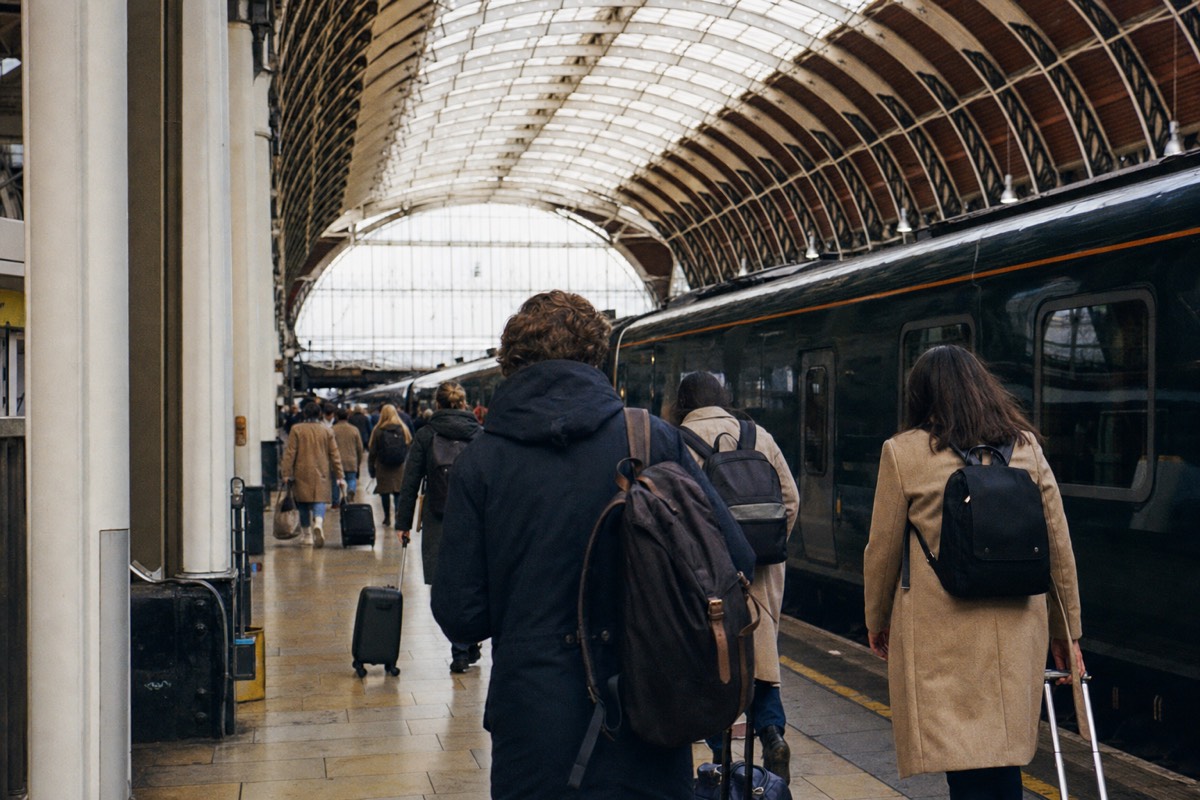
Bath is about 115 miles (185 km) west of London, in Somerset. By fast direct train from London Paddington to Bath Spa it is roughly 1 hour 20 minutes. Driving the M4 takes about 2 hours 15 minutes, and the coach from London Victoria is around 3 hours. So the same distance is anywhere from 80 minutes to 3 hours depending on how you go.
Ask how far Bath is from London and you will get two very different answers depending on whether you mean space or time. On a map it is a fixed distance, a straight run to the west of the country. In practice, the more useful question for a day trip is how far it is in minutes, because that gap swings wildly by how you choose to travel.
How many miles is Bath from London?
Bath lies about 115 miles west of central London, roughly 185 kilometres, by the road and rail routes you would actually use. As the crow flies it is closer to 100 miles, but no train or motorway runs straight, so 115 is the number that matters for planning.
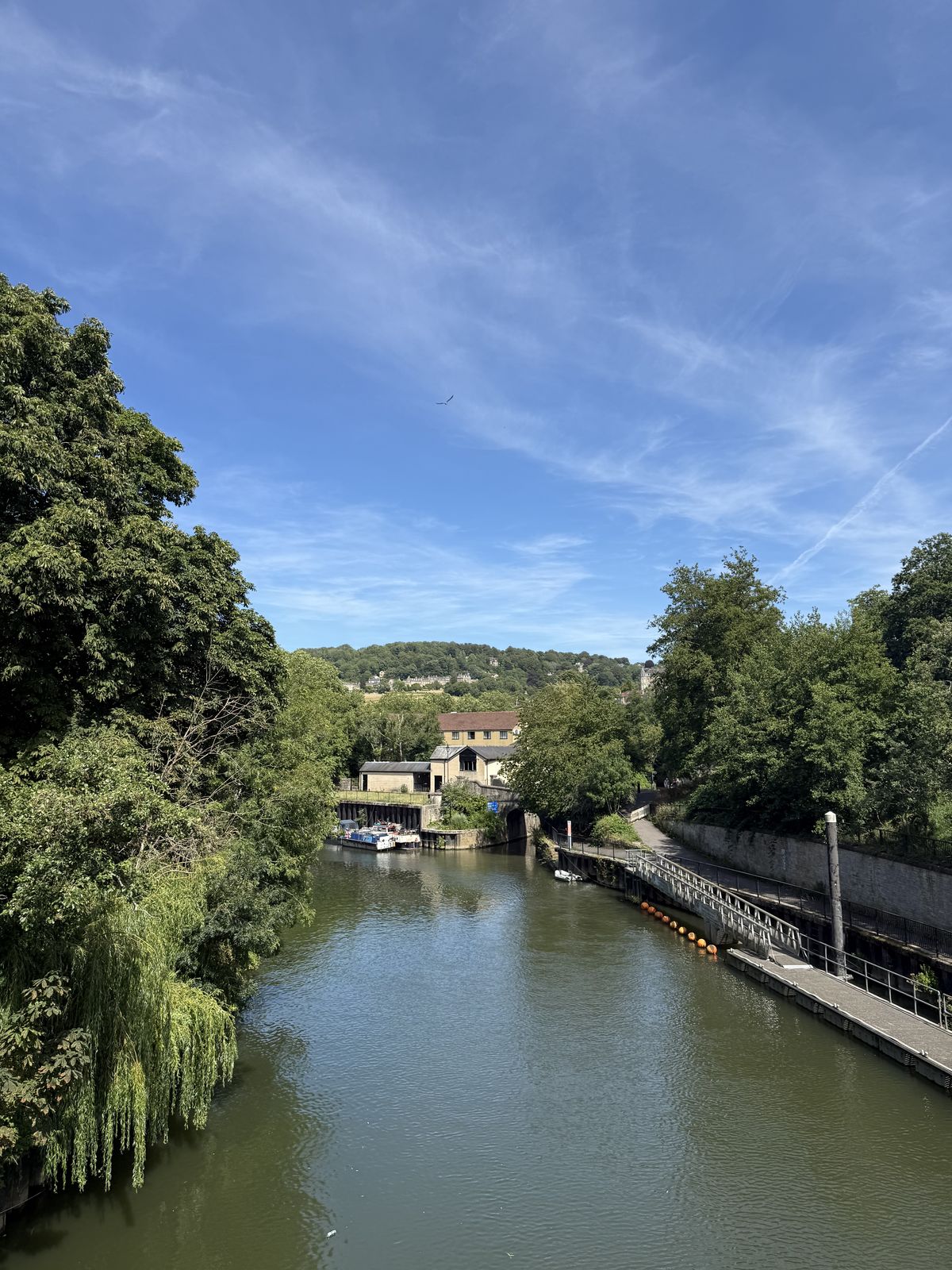
The city sits in Somerset, in the south-west of England, on the River Avon. That distance is a big part of why Bath is such a popular escape from London. It is far enough to feel like a genuine change of scene, honey-coloured Georgian streets, Roman ruins and open countryside, yet close enough that you can leave after breakfast and be home for dinner without rushing.
| Measure | Figure |
|---|---|
| By road and rail | About 115 miles (185 km) |
| In a straight line | Closer to 100 miles |
| County | Somerset, south-west England |
| River | The Avon |
| Direction from London | Due west |
How far is Bath from London in time?
Between 1 hour 19 minutes and about three hours, depending on your seat. The fastest direct Great Western Railway trains do it in 1h19, driving the M4 takes around 2 hours 15 minutes, and the coach from Victoria needs roughly three hours. Same miles, three very different clocks.
Here is where the same 115 miles becomes three quite different journeys.
- By train: about 1 hour 20 minutes on a direct Great Western Railway service from London Paddington to Bath Spa. Most sit between 1h15 and 1h35, and they leave roughly every half hour. Bath Spa station is right in the centre, a five-minute walk from the Roman Baths, so the door-to-door time is barely longer than the train time itself.
- By car: about 2 hours 15 minutes via the M4 in normal traffic. The motorway covers most of the distance, then you drop down into Bath at the end. Add time in the rush hours, and factor in that central parking is limited and pricey, so a Park and Ride on the edge of the city is the sensible finish.
- By coach: around 3 hours from London Victoria with National Express, megabus or FlixBus. It is the slowest option because the coach follows the roads and makes its way through traffic, but it is usually the cheapest fare of all.
| Mode | Typical one-way time | Leaves from |
|---|---|---|
| Direct train | About 1h20 (most between 1h15 and 1h35) | London Paddington |
| Car via the M4 | About 2h15 in normal traffic | Wherever the car is |
| Coach | Around 3 hours | London Victoria |
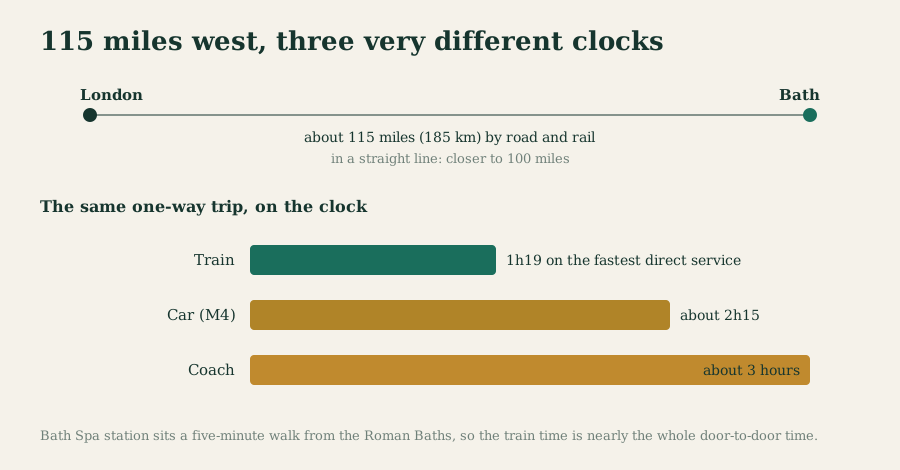
So the honest answer is that Bath is between 80 minutes and 3 hours from London, and which end of that range you land on is entirely your choice. If you would rather not watch the clock at all, a guided day tour to Bath from London folds the travel into the day so you never touch a timetable.
Is 115 miles too far for a day trip?
No. The rail round trip costs under three hours of travel, which leaves a full day inside a city compact enough to cross on foot. Bath also opens up detours London cannot easily reach, with Stonehenge about a 45 to 50 minute drive south and the Cotswolds beginning just north.
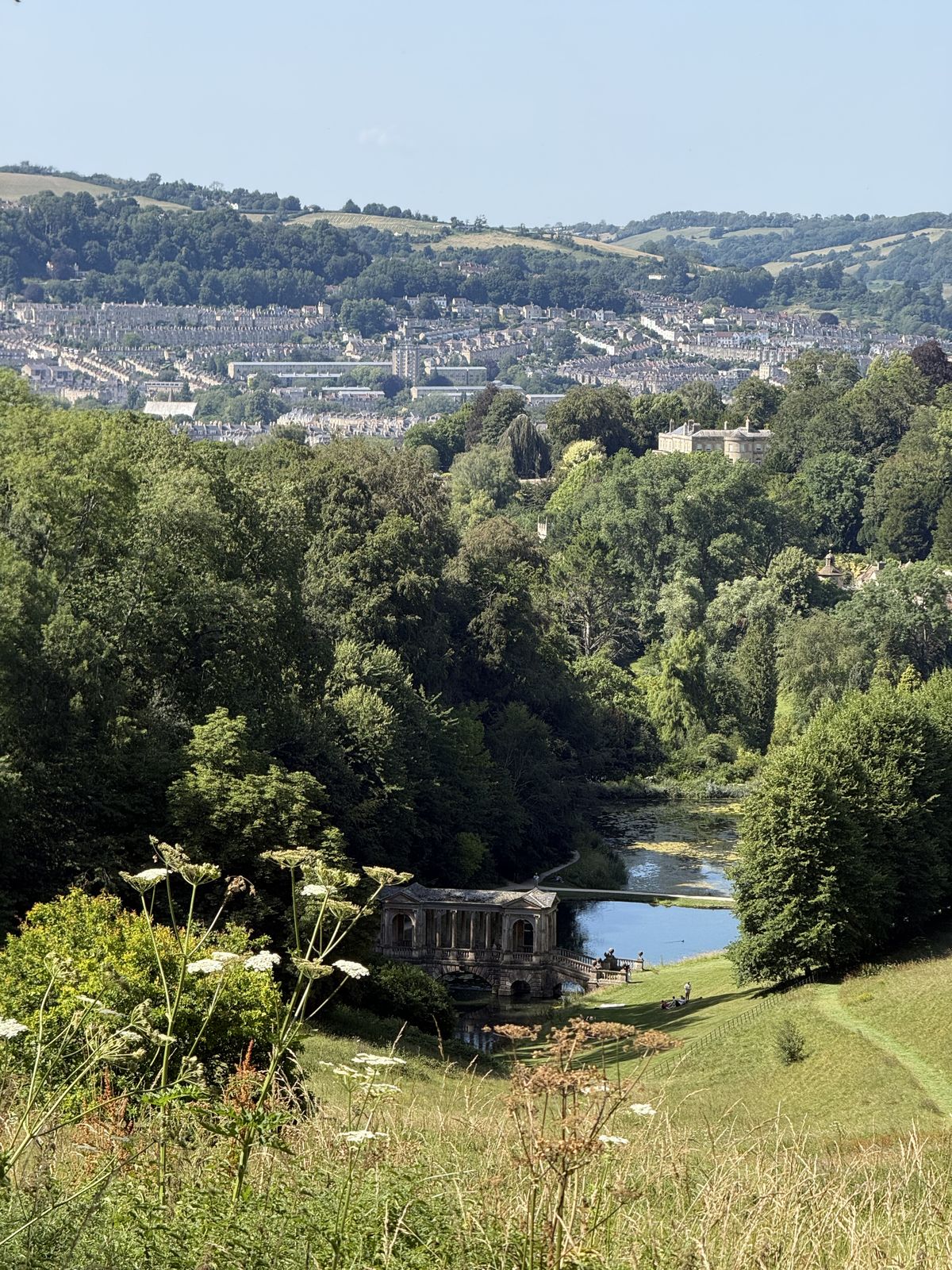
With a fast train each way, the round trip on rails is under three hours of actual travel, which leaves a full, generous day on the ground in a city small enough to cross on foot. That balance is exactly what makes Bath one of the classic day trips out of London. You can see the Roman Baths, walk the Royal Crescent, cross Pulteney Bridge and still have time for tea before the train home.
The distance also opens up nearby detours that would be a stretch from London alone. Stonehenge is only about a 45 to 50 minute drive from Bath, and the Cotswolds villages begin just to the north, which is why so many tours pair Bath with one of them. If you are weighing whether the whole trip earns its place in your itinerary, our guide on whether a day trip to Bath is worth it walks through it, and once you have decided, how to get from London to Bath covers the tickets and stations in detail.
| Beyond Bath | Getting there | Why it tempts |
|---|---|---|
| Stonehenge | About a 45 to 50 minute drive south | Sarsen stones up to 7m tall and around 25 tonnes each |
| The Cotswolds | Villages begin just north of Bath | 787 square miles of National Landscape, England's largest |
| Prior Park | On Bath's own southern slopes | A Palladian Bridge, one of only four of its design in the world |
Does the direction of travel change the distance?
The miles stay the same in both directions, but the minutes and the money move. Peak trains and Anytime fares cost more, off-peak returns are kinder to the wallet, and the M4 back into London crawls in the late afternoon, so time your return around the crush.
Peak-time trains and Anytime tickets cost more, so an off-peak return is kinder on both the wallet and the crowding. On the road, the M4 back into London in the late afternoon can add a chunk of time, so leaving Bath a little earlier or a little later than the crush is worth doing. The miles do not move, but the minutes certainly do.
Which way should you travel from London to Bath?
Train wins on speed and drops you in the centre, the coach wins on price but asks for three hours, and the car pays off only if you plan to roam beyond Bath. For a straight day out from London, most people are happiest on the fast direct train there and back.
For a single day, treat the three modes as a ladder rather than a contest, because each answers a different question. The Great Western Railway service is the default for good reason: 1h19 at its fastest, a departure roughly every half hour, and Bath Spa station a five-minute walk from the Roman Baths, so barely any of the trip goes on crossing town once you arrive. The coach from London Victoria swaps time for money. It follows the roads for about three hours and works through traffic, yet the fare is usually the lowest of the three, which suits an unhurried, tight-budget trip. The car lands in the middle on time, close to 2h15 on the M4, but it earns its place only if you mean to link Bath with Stonehenge or a Cotswolds village, where trains and buses run thin. For a plain there-and-back, the parking squeeze at the Bath end cancels much of that flexibility. National Rail's own journey planner is the fastest way to hold real departure times against the shape of your day.
| Mode | One-way time | Cost feel | Best for | The catch |
|---|---|---|---|---|
| Direct train | About 1h20, fastest 1h19 | Mid, cheaper booked ahead | Speed and a central arrival | Peak fares cost the most |
| Coach | Around 3 hours | Lowest of the three | A relaxed, low-cost trip | Slowest, traffic-bound |
| Car via the M4 | About 2h15 | Fuel plus paid parking | Adding on Stonehenge or the Cotswolds | Limited, pricey central parking |
What does a Bath day trip look like hour by hour?
A comfortable day runs about nine to ten hours door to door. Take a mid-morning train, reach Bath before lunch, give the afternoon to the Roman Baths, the Abbey and a Georgian walk, then ride an early-evening train home. Book the Baths ahead and none of it feels rushed.
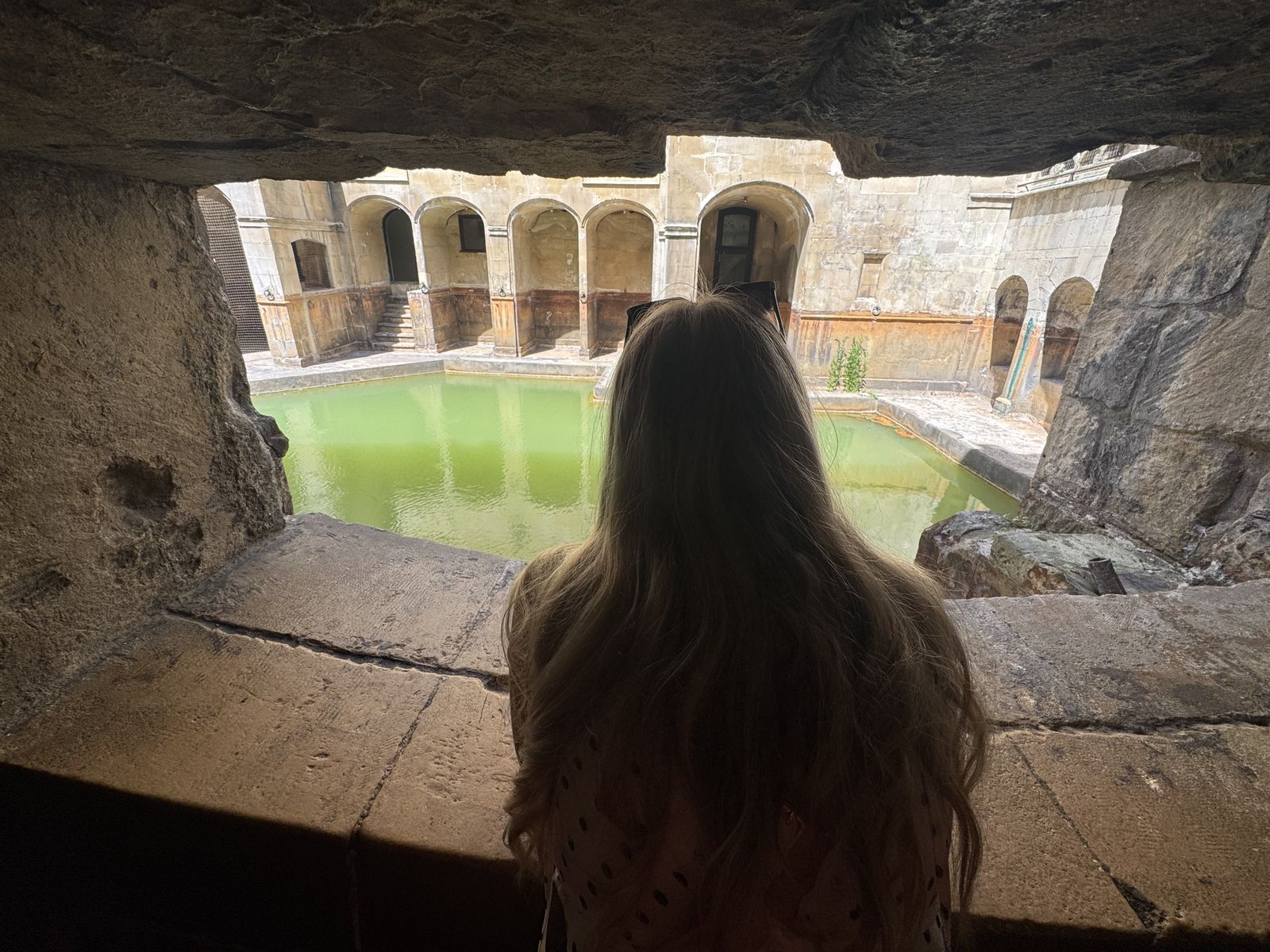
The shape below is a realistic day, not a timetable, so read the times as a planning allowance and shift them to suit your train. The trick is to front-load the Roman Baths, which run on timed tickets and get busiest through the middle of the day. Book a slot at or near opening on the official Roman Baths site, then let the rest of the afternoon unfold on foot, because the city is small enough to cross in twenty minutes. Lunch, the Abbey, Pulteney Bridge and a climb up to the Royal Crescent all sit within an easy walk of each other. Leave a buffer at the end for tea and a gentle stroll back to Bath Spa, and aim for a train before the late-afternoon commuter push.
| Time | Where you are | Notes |
|---|---|---|
| 09:30 | Board at London Paddington | Off-peak after the rush is kinder on the fare |
| 10:50 | Arrive Bath Spa | Five-minute walk into the centre |
| 11:00 | Roman Baths | Allow 1.5 to 2 hours, audio guide included |
| 13:00 | Lunch near the Abbey | Plenty of options within a short walk |
| 14:00 | Bath Abbey and Pulteney Bridge | Abbey sightseeing entry is ticketed |
| 15:00 | Royal Crescent and the Circus | A Georgian walk uphill |
| 16:30 | Tea or the Pump Room | A calm finish before the train |
| 17:30 | Bath Spa for the ride home | Beat the late-afternoon crush |
How does Bath's Clean Air Zone affect driving in?
Private cars and motorbikes pay nothing. Bath's Clean Air Zone, a Class C scheme running since 15 March 2021, charges only non-compliant taxis, vans, buses and heavy goods vehicles. The real friction for a day-tripper is parking, since central spaces are limited and expensive, so a Park and Ride on the edge is the sensible finish.
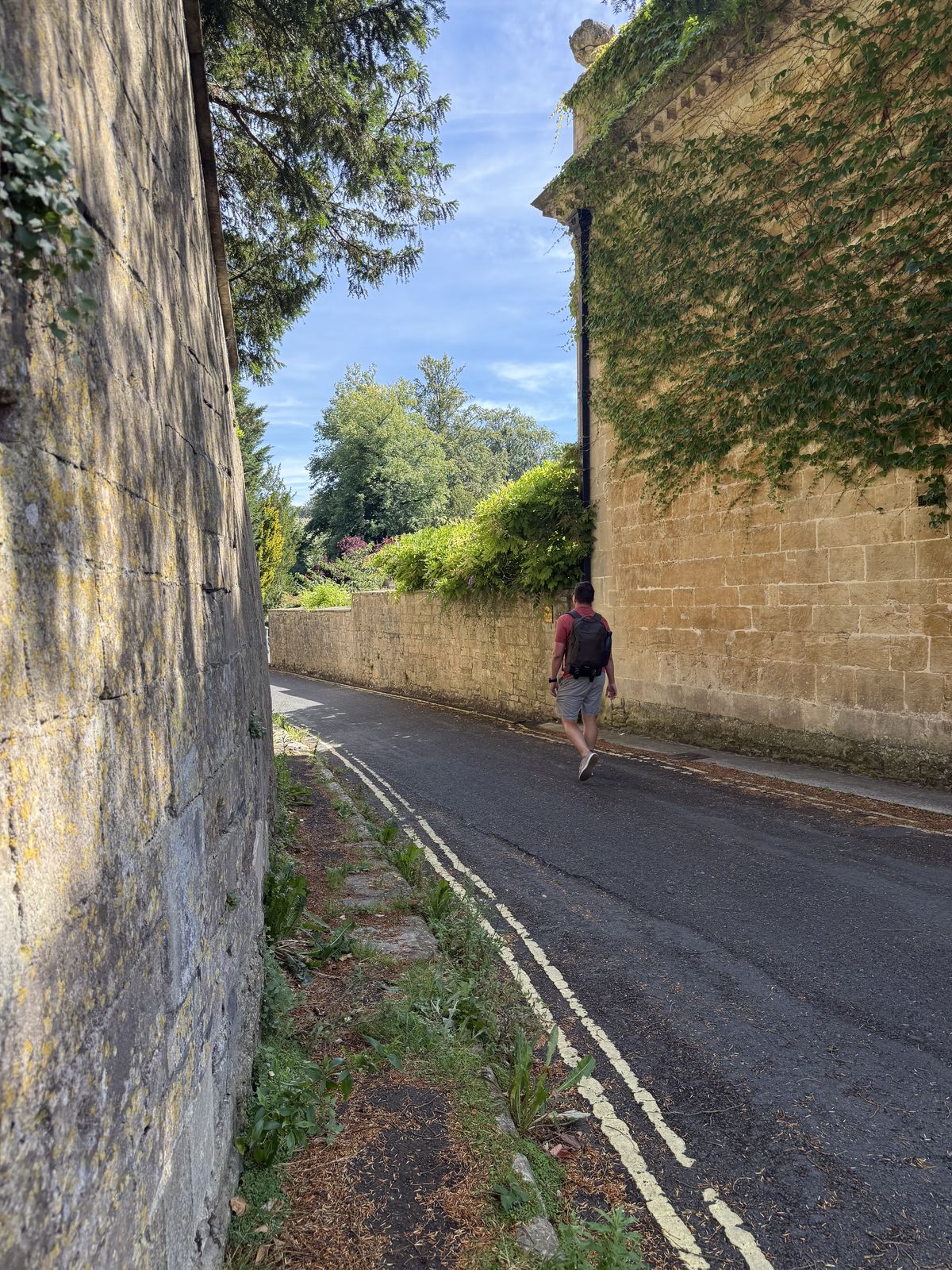
The Clean Air Zone worries a lot of first-time drivers who assume it is a London-style congestion charge. It is not. If you are in an ordinary private car, you drive into Bath free of any zone charge, and the same goes for motorbikes. The scheme targets older, higher-emission working vehicles, so unless you are arriving in a non-compliant taxi, van, bus or lorry, the entry cost is zero. What does bite is the parking. The centre is compact, medieval in places and short on spaces, and the car parks that do exist fill early and price accordingly. The neat answer is a Park and Ride on the edge of the city, which drops you near the middle without the circling, and the official tourism board lists the sites and bus times. Drive in only if the wider trip needs the car; otherwise the train removes the whole question.
| Vehicle | Clean Air Zone charge | What it means for a day trip |
|---|---|---|
| Private car | None | Free to enter, but you still need to park |
| Motorbike | None | No charge to drive in |
| Non-compliant taxi, van, bus, HGV | Charged | Mostly a working-vehicle concern, not visitors |
| Any vehicle, central parking | Paid and limited | Use a Park and Ride instead |
Is Bath a longer or shorter day trip than the alternatives?
Bath is one of the shorter big-name day trips from London. At about 1h20 by fast train it beats York, roughly two hours away, and unlike Stonehenge or the Cotswolds it needs no car to reach. Its trump card is location: Stonehenge sits 45 to 50 minutes on, and the Cotswolds begin just to the north.
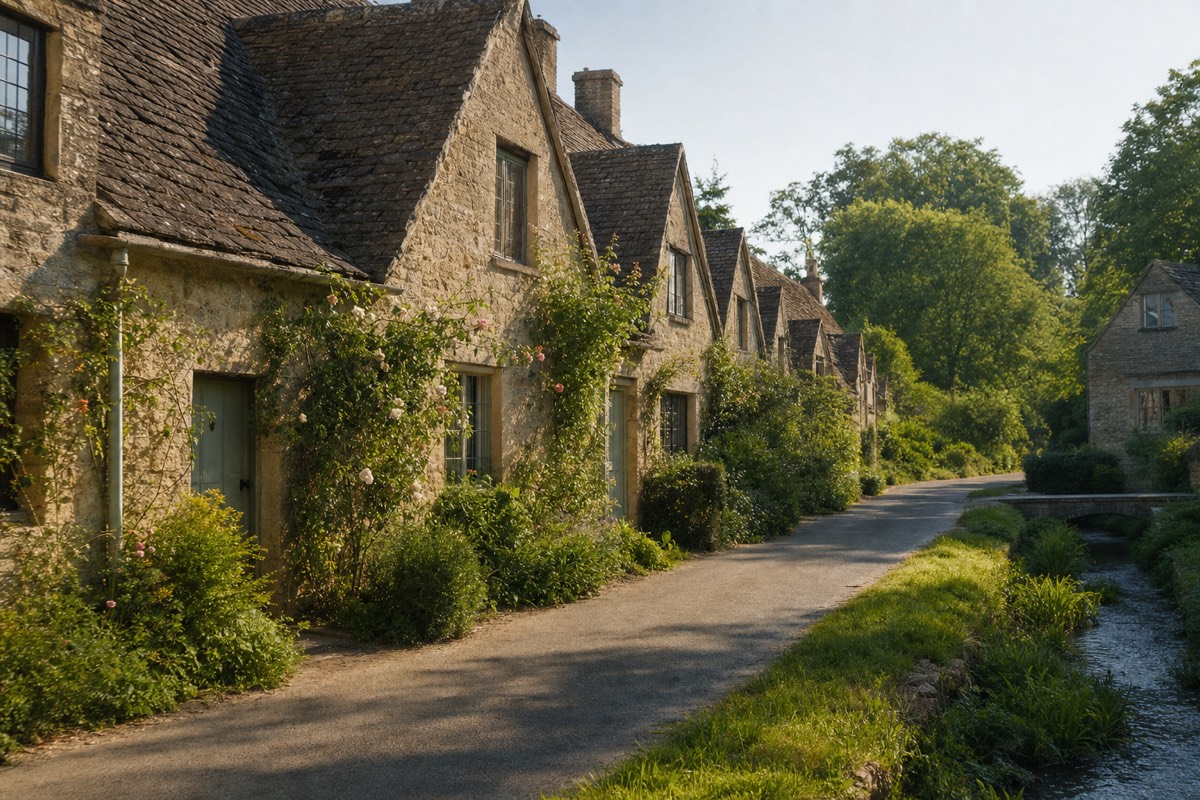
Set against the other classic days out from London, Bath scores well on effort for reward. York is the nearest rival in feel, a walkable historic city with its own huge draws, yet it sits about two hours away by train rather than eighty minutes. Stonehenge and the Cotswolds are wonderful, but both are awkward to reach under your own steam from London and usually come as part of an organised tour. Bath quietly solves that, because it is both a destination and a springboard. From the city you are only 45 to 50 minutes from the stones, and the honey-stone villages of the Cotswolds start just north, which is why so many operators bolt one onto a Bath day. If you want a single train, a compact city and the option of a bigger loop later, Bath is hard to beat. Our guide on how to get from London to Bath covers the tickets and stations if the train is your pick.
| Day trip | Rough travel from London | Reach without a car? | Draw |
|---|---|---|---|
| Bath | About 1h20 by direct train | Yes, central station | Roman Baths, Georgian city, UNESCO site |
| York | About 2 hours by train | Yes | York Minster and 2.11 miles of medieval walls |
| Stonehenge | Easiest paired from Bath, 45 to 50 min on | Hard alone, usually a tour | Sarsens up to 7m and around 25 tonnes |
| The Cotswolds | Villages begin just north of Bath | Hard alone, usually a tour | 787 sq mi National Landscape, England's largest |
How much of a Bath day is spent on foot?
Once the train drops you at Bath Spa, the day is almost entirely on foot, and that is the point. The centre is small, closed to through traffic in places, and packed tightly enough that the Roman Baths, the Abbey and Pulteney Bridge sit within a few minutes of each other. The only real climb is up to the Royal Crescent.
The reason distance in miles matters so little at the Bath end is that the city was built to be walked. From the station it is about five minutes to the Roman Baths, and from there the medieval and Georgian core unfolds as one connected stroll: the Abbey next door, Pulteney Bridge and its weir a short way along the river, the Pump Room a step from the Baths, and the shopping streets threading between them. The one stretch that asks for a little effort is the pull uphill to the Circus and the Royal Crescent, where No.1 Royal Crescent opens as a period museum. It is a gentle fifteen-minute walk from the centre, not a hike, but it does gain height, so pace it and wear shoes you can cover a few miles in. Add Prior Park and you are committing to a proper walk or a bus, since the National Trust garden has no visitor parking and sits on the southern slopes. For most day-trippers, though, the whole itinerary lives inside a compact, flattish core, which is exactly why a city 115 miles away can feel so easy once you arrive.
What does James tell first-timers about the journey?
Take the train, book the Roman Baths before you travel, and do not try to drive into the centre for a day. Those three calls, James says, sort out most of the journeys he sees go sideways. Bath is small enough to walk once you arrive, so the whole task is getting in and out cleanly.
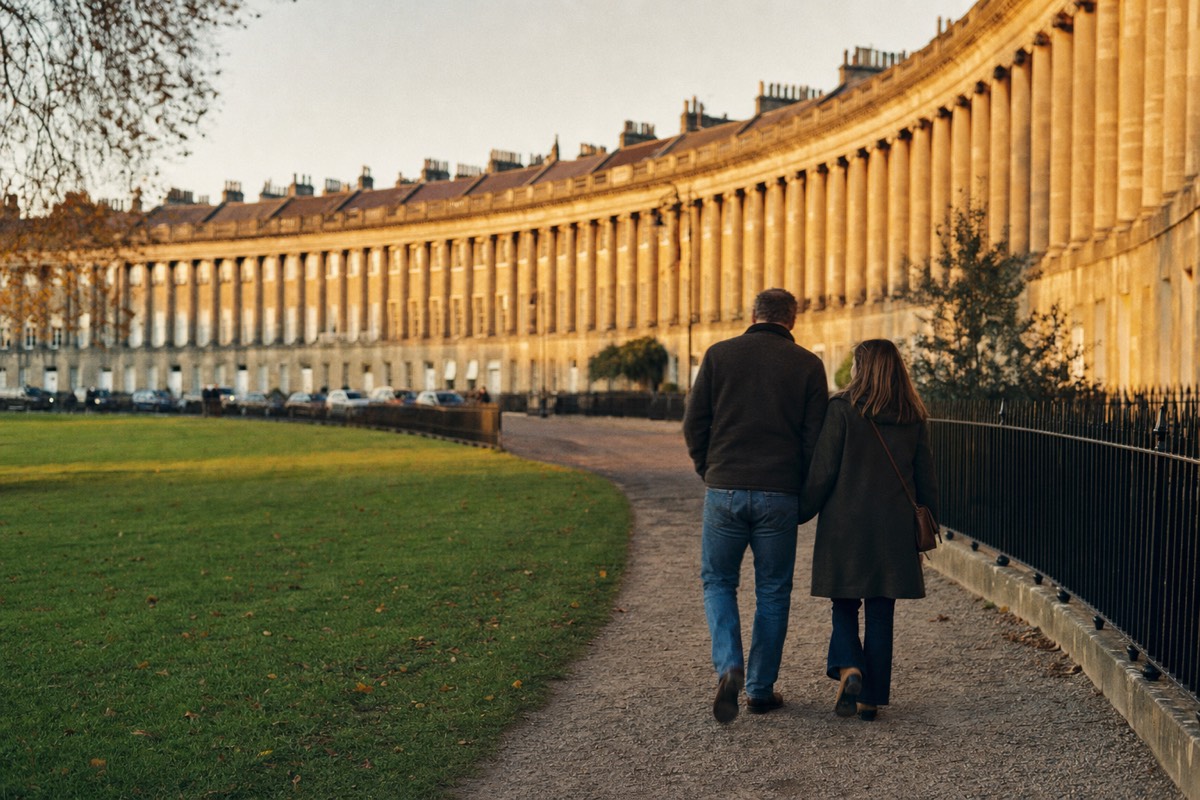
James Thornton has guided London-to-Bath day trips since 2022 and has walked more than a thousand international visitors around the city, so he has watched the same avoidable mistakes play out season after season. His first piece of advice is boring and correct: for a day out, take the fast train. The coach is fine if the budget is tight and you do not mind losing an hour or two each way, but it eats into the part of the day you actually came for. His second is about the Roman Baths. They run on timed entry and sell out on busy days, and he has met too many people who arrived at noon in July to find the next slot hours away, so he tells everyone to book before they leave London. Third, he is blunt about driving. A private car costs nothing to bring into the Clean Air Zone, but the centre has almost nowhere to leave it, and a morning lost to hunting for a space is a morning wasted. If the car has to come, he points people straight at a Park and Ride. His last word is on timing the return: leave a little before or after the late-afternoon rush, take an off-peak ticket, and the trip home stays cheap and calm. None of this is complicated, he says, which is exactly why it is worth getting right.
Frequently asked questions
How many miles is Bath from London?
About 115 miles, which is roughly 185 kilometres, by the usual road and rail routes. In a straight line it is a little under that, but no journey runs straight.How long does it take to get from London to Bath?
Roughly 1 hour 20 minutes by fast direct train, about 2 hours 15 minutes by car on the M4, and around 3 hours by coach. Same distance, very different times.Is Bath close enough to London for a day trip?
Yes. With a direct train of about 80 minutes each way and a compact, walkable city at the other end, Bath is one of the easiest day trips from London.Where exactly is Bath?
In Somerset, in the south-west of England, on the River Avon, about 115 miles west of London. The whole city is a UNESCO World Heritage Site.What is the quickest way to cover the distance?
The direct Great Western Railway train from London Paddington to Bath Spa. It is the fastest option and drops you in the city centre, minutes from the main sights.Plan your next step
Stonehenge & Bath from London
Have a travel date in mind? See Stonehenge and Bath with the coach journey and guide arranged together. Check your date before arranging the rest of your day.
About 11 hours; Victoria Coach Station departure, Gloucester Road return. Choose the admission option you want; meals and hotel pickup are not included.
Start with this option, or compare the choices below.
Choose a date to see the published schedule.
Compare the options for your Bath plans
| Experience | Why choose it | Allow | What to account for |
|---|---|---|---|
| Stonehenge & Bath from London | See Stonehenge and Bath with the coach journey and guide arranged together. | 11 hours | About 11 hours; Victoria Coach Station departure, Gloucester Road return. Choose the admission option you want; meals and hotel pickup are not included. |
| City walk & Roman Baths entry | Pair a Blue Badge guided city walk with a self-guided visit inside the Roman Baths. | 3 hours | About 3 hours; meet outside Bath Abbey’s main doors. Roman Baths entry and audio guide included; your guide does not lead the visit inside. |
| Castle Combe, Stonehenge & Bath from London | Combine a Castle Combe stop with time in Bath and Stonehenge on one small-group day. | 11.5 hours | About 11½ hours from London. Stonehenge admission costs extra; Roman Baths entry and meals are not included. Minimum age 3. |