Where to Stay in Bath: Best Areas and Hotels for Every Budget
Bath's centre is small and walkable, so the main choice is budget and character rather than location. Here is where each type of traveller should book.
 Written with James Thornton, London to Bath day tour guide & heritage specialist
Short answer
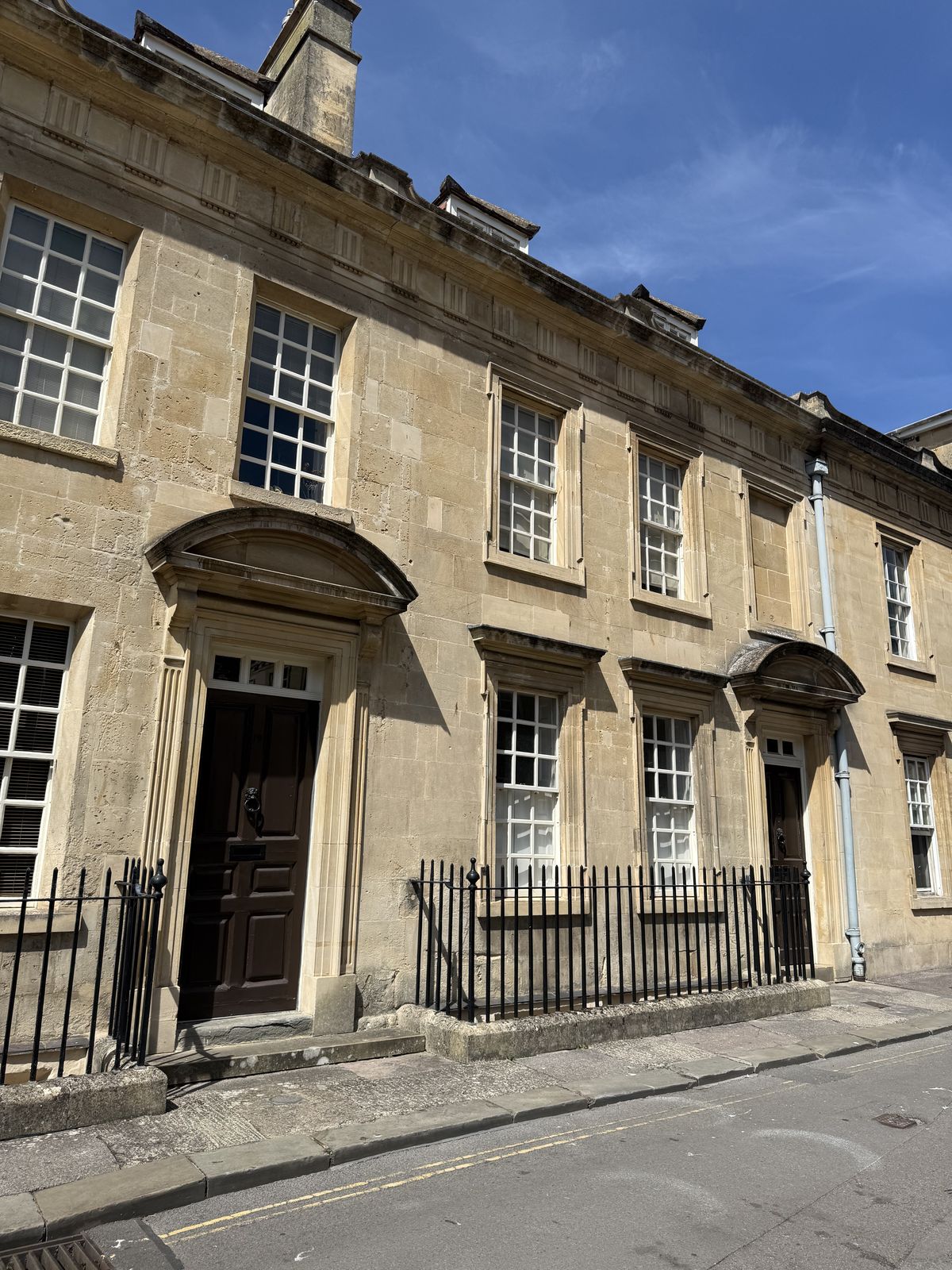
Stay inside or right beside the historic centre, ideally within a ten-minute walk of the Abbey, so you can wander home after dinner. For thermal-spa luxury look at the Royal Crescent and Gainsborough; for reliable mid-range comfort, the Apex or Francis; for boutique character, No.15 by GuestHouse; and for budget, the Z Hotel or the YHA hostel. Everything below is within easy reach of the Roman Baths.
Most people ask which part of Bath to stay in, and for once the honest answer is that it barely matters. The historic core is tight, flat where it counts, and walkable end to end in about fifteen minutes, so almost any central hotel puts you minutes from the Roman Baths and the Abbey. What actually changes your trip is budget and character: a thermal-spa splurge, a reliable mid-range base, a quirky boutique, or a cheap central bed.
I have sorted the real options by the thing that matters, price and feel, and flagged the best area for a first visit further down. Every hotel below is a genuine Bath property; tap "Check rates" to see live prices and availability for your dates.
Where should you stay in Bath for a first visit?
Stay inside the historic centre, within about a ten-minute walk of Bath Abbey. Bath is compact and best explored on foot, so a central base means you can drop your bags, walk everywhere, and stroll home after dinner. The area around the Abbey, Queen Square and the river suits first-timers; the Royal Crescent side is quieter and grander.
Bath is not a city where you agonise over neighbourhoods. The sights cluster tightly: the Roman Baths, the Abbey, Pulteney Bridge and the shops are all within a few minutes of each other, and even the Royal Crescent is a fifteen-minute uphill walk from the centre. Stay central and you never need a bus or a taxi. The official tourism site has a live events calendar worth checking before you pick your dates, because festival weekends fill rooms fast.
| Area | Feel | Best for |
|---|---|---|
| Abbey and city centre | Buzzy, everything on the doorstep | First-timers, short stays |
| Great Pulteney Street and Bathwick | Grand, calm, five minutes over the river | Couples, a quieter base |
| Royal Crescent and upper town | Elegant, residential, a gentle climb | A splurge, Georgian atmosphere |
| Near Bath Spa station | Handy for an early train | Day-trippers extending to a night |
Here is how the tiers compare at a glance, so you can jump to the right section.
| Tier | The feel | Best for | Examples |
|---|---|---|---|
| Luxury | Thermal spa, Georgian grandeur | A special occasion | Royal Crescent, Gainsborough, Macdonald Bath Spa |
| Upper-mid and boutique | Reliable comfort or real character | Most visitors | Apex, Francis, No.15, Abbey, Harington's |
| Budget | Compact central rooms, dorm beds | Tight budgets, solo travellers | Z Hotel, YHA hostel |
Which are the best luxury hotels in Bath?
For a splurge, three stand out: the Royal Crescent Hotel, set inside the famous curve itself with a hidden garden and spa; the Gainsborough Bath Spa, the only hotel with private access to Bath's natural thermal water; and Macdonald Bath Spa, a grand Georgian country house on the edge of the city with a rooftop pool.
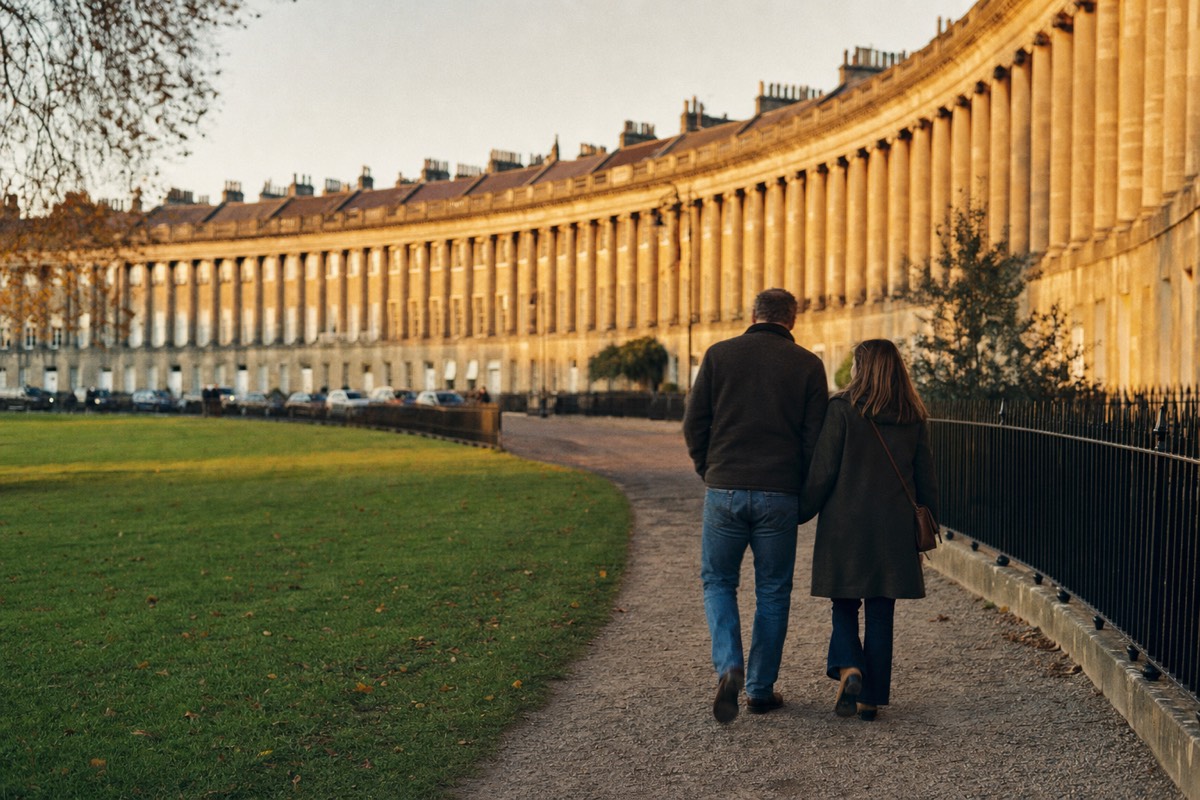
If the trip is a special one, this is where Bath earns its reputation. The Gainsborough is the unique one: its Spa Village draws on the same hot springs that fill the Roman Baths, so you can bathe in the thermal water without leaving your hotel. The Royal Crescent Hotel puts you inside the single most famous piece of architecture in the city.
The Royal Crescent Hotel & Spa Check rates ›
The Gainsborough Bath Spa Check rates ›
Macdonald Bath Spa Hotel Check rates ›
Where should you stay for mid-range comfort or boutique character?
For dependable mid-range comfort, the Apex City of Bath and the Francis Hotel on Queen Square are both central and well run. For boutique character, No.15 by GuestHouse on Great Pulteney Street is playful and has a small spa, while the Abbey Hotel and Harington's put you in the thick of the old streets.
This is where most visitors land, and Bath does it well. The Apex is modern and reliable, a short walk from the river; the Francis occupies a run of Georgian townhouses on handsome Queen Square. If you want somewhere with more personality, No.15 is the fun choice, and the Abbey Hotel sits almost under the Abbey's shadow.
Apex City of Bath Hotel Check rates ›
Francis Hotel Bath, MGallery Check rates ›
No.15 by GuestHouse Bath Check rates ›
The Abbey Hotel Bath Check rates ›
Harington's Hotel Check rates ›
Where can you stay in Bath on a budget?
Central budget rooms do exist. The Z Hotel Bath offers compact, modern rooms in a very central spot at low rates, and the YHA hostel gives dorm and private beds near the centre. Booking early and avoiding festival weekends is the single biggest saving, because Bath's small room stock pushes prices up fast when demand spikes.
Bath is not a cheap city to sleep in, but it is not hopeless either. The Z Hotel trades room size for price and location, which for a day or two of sightseeing is a fair deal. The YHA hostel is the reliable rock-bottom option for solo travellers and families watching the budget.
The Z Hotel Bath Check rates ›
For the cheapest beds, the YHA Bath hostel sits a short way from the centre and takes both dorm and private rooms; book it directly through the YHA. Whatever your budget, the trick is the same: Bath has a small number of rooms for a very popular city, so book ahead, especially around the Christmas market and the September festivals.
Is it worth staying overnight in Bath, or should you day-trip?
Stay over if you want the city after the coach parties leave, an evening meal, or a morning at the Roman Baths before the crowds. Day-trip if you are short on time or budget, because Bath's highlights genuinely fit into one day. There is no wrong answer, only a trade between atmosphere and cost.
An overnight buys you the quiet version of Bath: lamplit streets, dinner without rushing for a train, and a first slot at the Roman Baths while it is still calm. A day trip from London buys you simplicity and saves a night's room rate, and it works because the centre is so compact.
| Stay overnight | Day trip from London | |
|---|---|---|
| Cost | Room rate on top of travel | No room rate |
| Evenings | Dinner, lamplit streets, the city after the crowds | Back to London by evening |
| Roman Baths | First quiet slot in the morning | Arrive mid-morning with the crowds |
| Planning | Book a hotel and travel | One booking handles it all |
| Best for | Atmosphere, a slower pace | Time-poor or budget-conscious visitors |
Which Bath neighbourhood is right for how you travel?
Match the neighbourhood to how you arrive and how you spend your evenings. Train and coach visitors do best in the Abbey core, minutes from Bath Spa station. Drivers gain from the calmer upper town, where parking is a little easier. Anyone chasing quiet should look over the river at Bathwick and Great Pulteney Street, still central but hushed.
The area table further up sorts Bath by feel; this one sorts it by feet, because the only real variable in such a compact city is how far you walk and how steep the last stretch is. The Abbey core keeps everything flat and close, which is why it suits people arriving by rail with a case to wheel. Great Pulteney Street trades a couple of minutes of walking for a grander, calmer address, and No.15 and the Gainsborough sit on that side. The upper town around the Royal Crescent is the trade-off in reverse: a gentle climb rewarded with residential peace and Bath's most famous façades, which is where the Royal Crescent Hotel earns its address. If you are catching an early train home, note how close the station really is to the central rooms; the national rail journey planner shows just how frequent the Bath Spa departures are.
| Neighbourhood | Walk to Roman Baths | Walk to Bath Spa station | Character | Rooms from this guide |
|---|---|---|---|---|
| Abbey core and city centre | 2 to 5 min | about 5 min | Busiest, everything on the doorstep | Abbey Hotel, Harington's, Z Hotel |
| Queen Square and west centre | 8 to 10 min | about 10 min | Georgian, a shade calmer | Francis, Apex |
| Great Pulteney Street and Bathwick | 8 to 12 min | about 12 min | Grand, residential, quiet | No.15, Gainsborough |
| Royal Crescent and upper town | 12 to 15 min, uphill | 15 to 18 min | Elegant, residential, a climb | Royal Crescent Hotel |
| Right by the station | about 5 min | 1 to 3 min | Handy for an early departure | Z Hotel, Apex |
Treat these times as walking allowances rather than exact figures; Bath's streets are short, but the hill up to the Crescent adds a few honest minutes with luggage.
How far ahead should you book a Bath hotel, and what will it cost?
Book two to three months ahead for weekends and any festival date, a month or so for summer, and you can leave a quiet midweek night to the last minute. Bath's small room stock means prices rise with demand rather than sitting at a fixed rate, so the earlier you fix a busy date, the more the budget tiers stay open to you.
There is no single Bath room rate, only a rate for your particular night, and the gap between a wet Tuesday in February and a Saturday during the Christmas market is wide. Because the centre holds relatively few rooms for such a popular city, demand does the pricing. The practical move is to decide your dates first, check them against the events calendar, then book the moment you are sure. The Christmas market weekends and the September festival period are the two dates that sell out first and cost the most, so they reward booking early more than any other. In budget terms, think in tiers rather than exact numbers: the budget rooms in this guide (the Z Hotel, the YHA) hold their value best but climb hardest on festival weekends; the mid-range doubles at the Apex, Francis, Abbey and Harington's are the steady middle; the boutique and luxury rooms at No.15, the Royal Crescent and the Gainsborough sit at the top whatever the season. Midweek and the shoulder months of the year soften every tier.
| Period | Demand | How far ahead to book |
|---|---|---|
| Midweek, January to February | Low | A week or two is usually fine |
| Weekends, spring and autumn | High | Two to three months |
| July and August | High | One to two months |
| Christmas market weekends, late Nov to mid Dec | Very high | Three months or more |
| September, Jane Austen Festival | Very high | Three months or more |
Where should you park if you drive to your Bath hotel?
Private cars and motorbikes pay nothing to enter Bath's Clean Air Zone, so driving in is not the barrier some assume. Central parking is the real catch: it is limited and pricey, and many Georgian-terrace hotels have no car park at all. Confirm parking before you book, or base at a hotel that has its own space.
Bath's Clean Air Zone, a Class C scheme running since March 2021, charges non-compliant taxis, vans, buses and heavy goods vehicles, but it leaves private cars and motorbikes free to drive through. What trips drivers up is not the zone, it is the storage. The historic streets were laid out for carriages, so a lot of the most characterful central hotels simply cannot offer parking, and the public car parks in the middle fill and cost more at peak times. If a car park matters to you, treat it as a filter when you compare the rooms above, and ask the property directly rather than assuming. Many day visitors and overnighters sidestep the whole problem by leaving the car at a Park and Ride on the edge of town and riding the bus in, which keeps you out of the tightest, priciest streets entirely.
| Where to park | Good for | Worth knowing |
|---|---|---|
| The hotel's own car park | Drivers who want no fuss | Confirm at booking; many central hotels have none |
| A public central car park | Short central stays | Pricey and fills fast at peak times |
| Park and Ride on the edge | Avoiding the centre entirely | Bus into town, the cheaper choice |
| On-street | Rarely worth it | Restricted and permit-controlled zones |
Which Bath base suits families, couples and solo travellers?
Couples get the most from the quiet river side or a boutique room near the centre; families want space, value and easy parking more than Georgian polish; solo travellers do best somewhere central and social where walking home after dark feels easy. The compact centre means none of these groups needs a car once checked in.
The right base shifts with who is travelling. Couples on a special trip tend to prize calm and character, which points to the Bathwick side or a boutique room, and the ones who miss out on a hotel spa can always book Thermae Bath Spa separately for the thermal water. Families weigh space and cost above address, so a mid-range hotel with family rooms or the YHA's private rooms usually beats a small boutique double, and parking climbs up the priority list if you have driven down. Solo travellers benefit most from being central and among people: a room near the Abbey means the walk back from dinner is short, lit and busy, and the budget options keep a single night affordable. Because everything sits within a fifteen-minute walk, every one of these groups can leave the car parked and cover the city on foot.
| Traveller | What matters most | Where to look | Rooms from this guide |
|---|---|---|---|
| Couples | Calm, character, maybe a spa | Great Pulteney Street, boutique | No.15, Gainsborough, Royal Crescent |
| Families | Space, value, parking | Mid-range family rooms, hostel privates | Apex, Francis, YHA |
| Solo travellers | Central, safe, social, affordable | The Abbey core | Z Hotel, YHA |
| A special occasion | Grandeur or thermal spa | The luxury tier | Royal Crescent, Gainsborough, Macdonald |
Where does James tell day-trippers to base themselves?
James's advice for anyone stretching a day trip into an overnight is blunt: pick the Abbey core, inside a ten-minute walk of both the station and the Roman Baths, and pay for location over room size. After guiding London-to-Bath trips since 2022, he has watched too many first-timers lose an hour a day to a hotel on the wrong hill.
I run day trips down from London, so I see Bath the way a time-pressed visitor does, and my one strong opinion on where to sleep is this: buy the walk, not the wallpaper. A compact, plain room two minutes from the Abbey will serve a short stay better than a larger, prettier one up near the Crescent that costs you a slog with a suitcase each way. Most people who stay over are really day-trippers who added a night for the evening and the quiet early morning at the Roman Baths, and both of those payoffs depend on being central. I tell them to book the moment their dates are firm, because I have seen the good central rooms vanish weeks out for festival and Christmas-market weekends, and to check the station distance before the star rating, since an early train home is far kinder from a bed five minutes away. If a family is driving down, I flag parking first and looks second, because the loveliest terrace hotel is no help at ten at night with nowhere to leave the car. None of this is about spending more. It is about spending the little time a Bath overnight gives you on Bath, not on the walk to your room.