How to Get From London to Bath in 2026
Four honest ways to make the trip west, and how to pick the one that fits your day.
 Written with James Thornton, London to Bath day tour guide & heritage specialist
Short answer
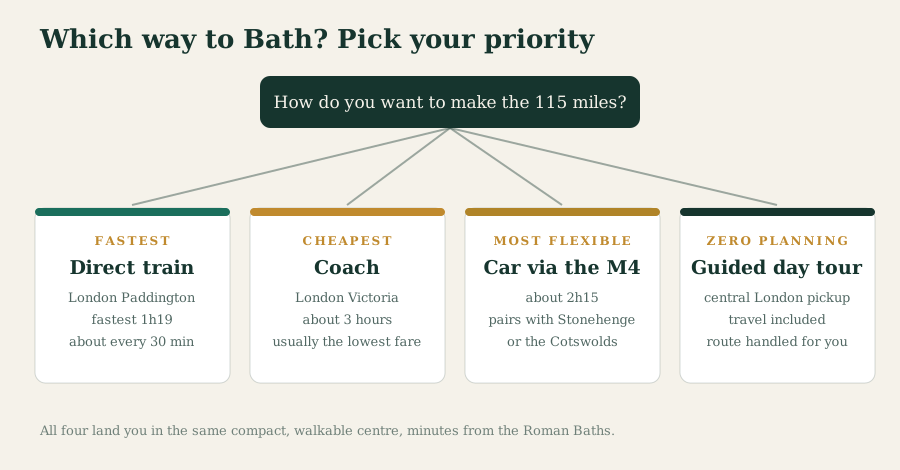
The fastest way from London to Bath is a direct Great Western Railway train from London Paddington to Bath Spa, roughly 1 hour 20 minutes, running about every 30 minutes. Coaches from London Victoria take around 3 hours and cost the least. Driving via the M4 is about 2h15 for the 115 miles. A guided day tour handles all the travel and the route for you.
Bath sits about 115 miles west of London, and the good news is that it is one of the easiest famous cities in England to reach for the day. You have four real choices: train, coach, your own car, or a guided tour that does the driving. Each one suits a different kind of traveller, so here is how they actually compare once you are standing at the station wondering which to book.
Which is the fastest way from London to Bath?
The direct Great Western Railway train from London Paddington, with the fastest service reaching Bath Spa in 1 hour 19 minutes and around 72 trains running on an average weekday. Nothing else comes close: driving takes about 2 hours 15 minutes and the coach roughly three hours.
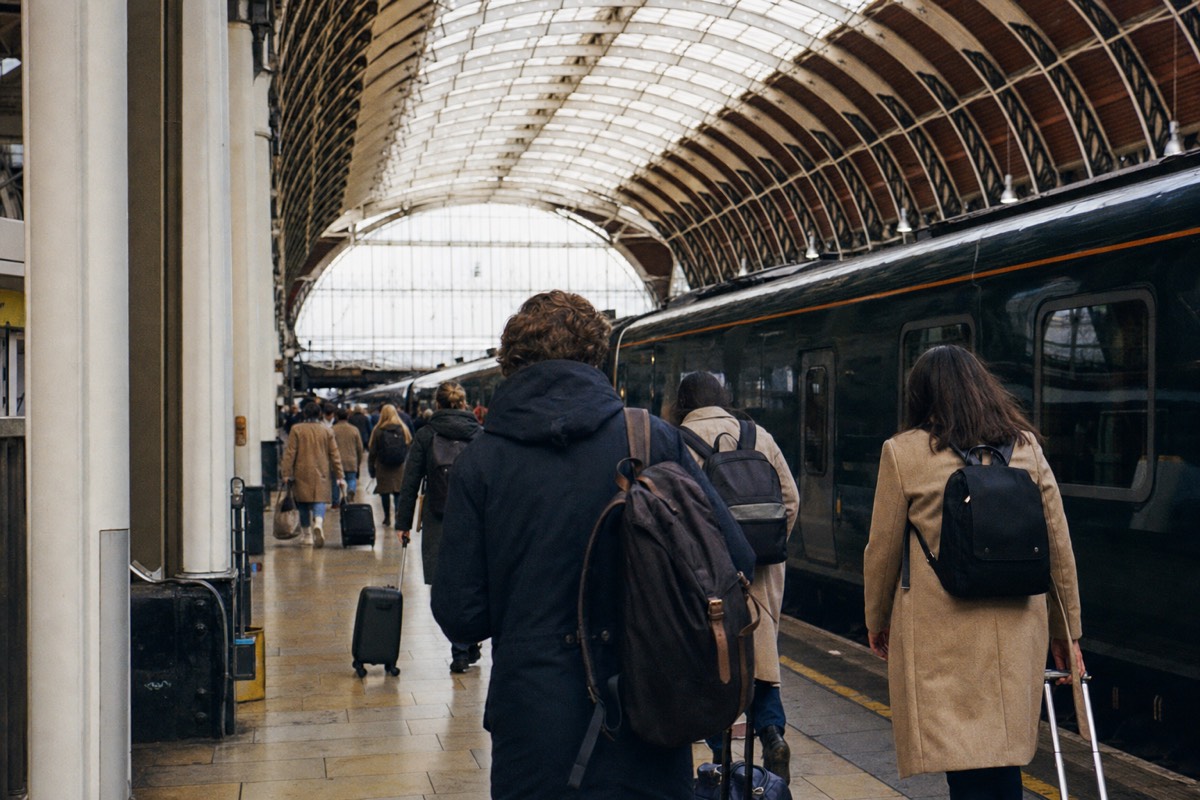
Great Western Railway runs the direct services, with most falling somewhere between 1h15 and 1h35 and departures roughly every half hour, so you are rarely waiting long. Bath Spa station drops you right in the centre of the city, about a five-minute walk from the Roman Baths and the Abbey, which is a big part of why the train feels so painless.
| Option | Journey time | Departs from | Rough cost | Best for |
|---|---|---|---|---|
| Train (GWR direct) | ~1h20 (1h15 to 1h35) | London Paddington | Cheapest on advance off-peak tickets, priciest on the day | Speed and a central arrival |
| Coach (National Express, megabus, FlixBus) | ~3 hours | Mostly London Victoria | Usually the lowest fare | Tight budgets, no rush |
| Driving (M4) | ~2h15 | Anywhere with a car | Fuel plus parking, add a Clean Air check | Onward trips or the Cotswolds |
| Guided day tour | Varies, travel included | Central London pickup | One price on the operator's listing | No planning, added stops |
Which London station do I need?
London Paddington for the train, London Victoria Coach Station for the coach. Paddington sits on the Elizabeth, Bakerloo, Circle, District and Hammersmith and City lines; Victoria Coach Station is a short walk from Victoria rail and tube. Turning up at the wrong one is the classic mistake.
For the train, you want London Paddington, in the west of the city. Buy a ticket to Bath Spa, which is the station name you are heading for. Coaches are different: National Express, megabus and FlixBus mostly leave from London Victoria Coach Station, a short walk from Victoria rail and tube station. Do not turn up at Paddington for a coach or at Victoria for the train, an easy mix-up when you are moving quickly.
How do I buy cheap train tickets?
Book an Advance ticket for a specific off-peak train, as early as you can, directly through Great Western Railway or National Rail to avoid booking fees. A Railcard takes roughly a third off if you qualify, and two singles occasionally beat a return, so check both before paying.
This is where a little planning pays off. Advance tickets are the cheapest fares GWR sells, released well ahead of the travel date and tied to a specific train. Off-peak fares, which avoid the busiest commuter windows, cost less than Anytime tickets, and Anytime or buying on the day is the most expensive way to travel. So the pattern is simple: book early, pick an off-peak train, and travel on the exact service you booked. A couple of pointers that consistently help:
- Book direct through the official Great Western Railway or National Rail sites to avoid booking fees.
- If you are 16 to 30, over 60, or travelling as a couple or family, a Railcard knocks roughly a third off and pays for itself fast.
- Two singles can sometimes beat a return, so it is worth checking both before you pay.
| Ticket | How it works | Where it sits on price |
|---|---|---|
| Advance | Tied to one specific train, released well ahead | Cheapest |
| Off-peak | Avoids the commuter windows, more flexible | Middle |
| Anytime | Any train, bought whenever, including on the day | Most expensive |
| Railcard on top | For 16 to 30s, over 60s, couples and families | Takes roughly a third off |
Because prices shift by date and time, do not treat any figure as fixed, check the live fare when you book. If you would rather not time the trains at all, a guided day tour to Bath from London rolls the travel into one booking and removes the ticket maths entirely.
What about the coach?
The coach is the budget seat: National Express, megabus and FlixBus run London to Bath, mostly from Victoria, in around three hours each way, usually at the lowest fare of any option. It suits travellers with more time than money, and advance booking keeps the price down further.
If money matters more than minutes, the coach is your friend. National Express, megabus and FlixBus all run London to Bath, usually from Victoria, and the fare is typically the lowest of any option. The trade-off is time: around three hours each way, and more if the M4 is heavy. For a day trip that eats a big chunk of daylight, so most people only choose the coach when the saving is worth the earlier start. Book online in advance for the best coach fares too.
Should I drive?
Only if Bath is one stop of several. The M4 covers the 115 miles in about 2 hours 15 minutes, but central parking is scarce and Bath runs a Clean Air Zone, so most day-trippers park at a Park and Ride. Private cars and motorbikes pay no zone charge.
Driving makes sense if you are combining Bath with somewhere else, say the Cotswolds villages just to the north or Stonehenge to the south, both of which are awkward without a car. The route is the M4 for most of the way, then you drop down into Bath at the end. Central parking is limited and expensive, so the smart move is a Park and Ride on the edge of town, then a short bus into the centre.
| Driving detail | The facts |
|---|---|
| Route | M4 for most of the 115 miles |
| Time | About 2h15 in normal traffic |
| Clean Air Zone | Class C, charging daily since 15 March 2021 |
| Who pays it | Non-compliant taxis, vans, buses and HGVs |
| Private cars and motorbikes | No charge at all |
| Parking | Park and Ride on the edge, then a short bus in |
How do you get from Bath Spa station to the sights?
On foot, easily. The Roman Baths, the Abbey and the Pump Room sit about five minutes' walk from the station, Pulteney Bridge a couple of minutes beyond, and the Royal Crescent fifteen to twenty minutes up the hill. No bus, tram or taxi is needed once you arrive.
Once you are off the train, Bath does the rest of the work. The Roman Baths, Bath Abbey and the Pump Room are about a five-minute stroll from the station, gently uphill through the streets. Pulteney Bridge is a couple of minutes further, and the Royal Crescent and The Circus are a pleasant fifteen to twenty-minute walk up the hill from there. The whole centre is compact and walkable, which is exactly why Bath works so well as a day trip. For a fuller sense of whether the day stacks up, our guide on whether a day trip to Bath is worth it lays out the case.
When should you book to get the cheapest fare?
As early as you sensibly can. Great Western Railway releases Advance train tickets roughly twelve weeks ahead, and they are the cheapest fares it sells, tied to one specific train. Coach fares from National Express and the budget operators also climb as seats fill, so the same rule applies: book ahead, travel off-peak, and avoid buying on the day.
The gap between an early booking and a walk-up fare is not small. Turn up at Paddington on the morning of travel and buy an Anytime ticket, and you pay the top of the range; book the same off-peak train a few weeks out and you can pay a fraction of it. The catch with the cheapest tickets is that they lock you to a named train, so they suit a planned day trip far better than a spontaneous one. If your plans are firm, that trade is easy to make.
| Option | Booking window that helps | What waiting costs you |
|---|---|---|
| Train, Advance fare | From release, about 12 weeks ahead | Advance fares sell out, price rises toward Anytime |
| Train, Off-peak fare | Any time, but pick a quieter train | Peak departures cost more and can be crowded |
| Coach | Days to weeks ahead | Cheapest seats go first, later fares climb |
| Guided day tour | Ahead, popular dates fill | Sold-out dates, less choice of pickup |
One more timing point that catches people out: peak and off-peak on the railway is about when your train departs, not when you booked. A mid-morning train after the commuter rush is usually both cheaper and calmer than one leaving at 8am, which fits a day trip perfectly since you want to arrive as Bath opens up, not at dawn. Check the live fare on National Rail or GWR before you pay, because the number moves with date and demand.
Which way suits your kind of day trip?
Match the mode to the day you want. If you value time in Bath above all, take the train. If the budget is tight and you have the hours to spare, take the coach. If Bath is one stop among several, drive. And if you would rather not plan a single connection, a guided tour carries the whole trip.

There is no single best way from London to Bath, only the best way for a given day. A couple heading in for the Roman Baths and afternoon tea, back in London for dinner, almost always wants the fast train and its central arrival. A student watching every pound, with a whole free day, loses little by taking the slower coach and pockets the saving. A family touring the West Country with a hire car treats Bath as one pin on a wider map, and the car that feels like a burden for a single day becomes the sensible choice across three.
| If you are | Lean toward | Because |
|---|---|---|
| Short on time, want maximum hours in Bath | Train | Fastest door-to-centre, roughly 1h20 |
| On a tight budget with time to spare | Coach | Usually the lowest fare of all |
| Combining Bath with the Cotswolds or Stonehenge | Car | Reaches places awkward by public transport |
| Wanting zero planning and extra stops | Guided tour | Travel, route and timing handled for you |
| Nervous about connections or first-time in England | Guided tour or train | Fewest things to get wrong |
Read the table as a nudge, not a verdict. Plenty of people happily take the coach to save money on a trip they could rush by train, and plenty drive in simply because they enjoy the road. The question worth asking is what the day is really for: seeing the most of Bath, spending the least, or reaching things beyond it.
The mistakes James sees people make getting to Bath from London
James, who has guided London-to-Bath day trips since 2022 and handled the logistics for well over a thousand travellers, says most of the trouble starts before anyone leaves London. The errors are nearly always the same handful, and every one of them is avoidable with ten minutes of planning the night before.
"The classic is the station mix-up," James says. "Someone books a train from Paddington and a friend books a coach from Victoria, and they only realise at the barriers." Trains west leave from London Paddington; the coaches run mostly from Victoria Coach Station, and the two are a proper journey apart across the city. He tells everyone to write down which one their ticket is actually for and to allow time on the Underground to reach it, because a missed Advance train is a wasted ticket, not a free rebooking.
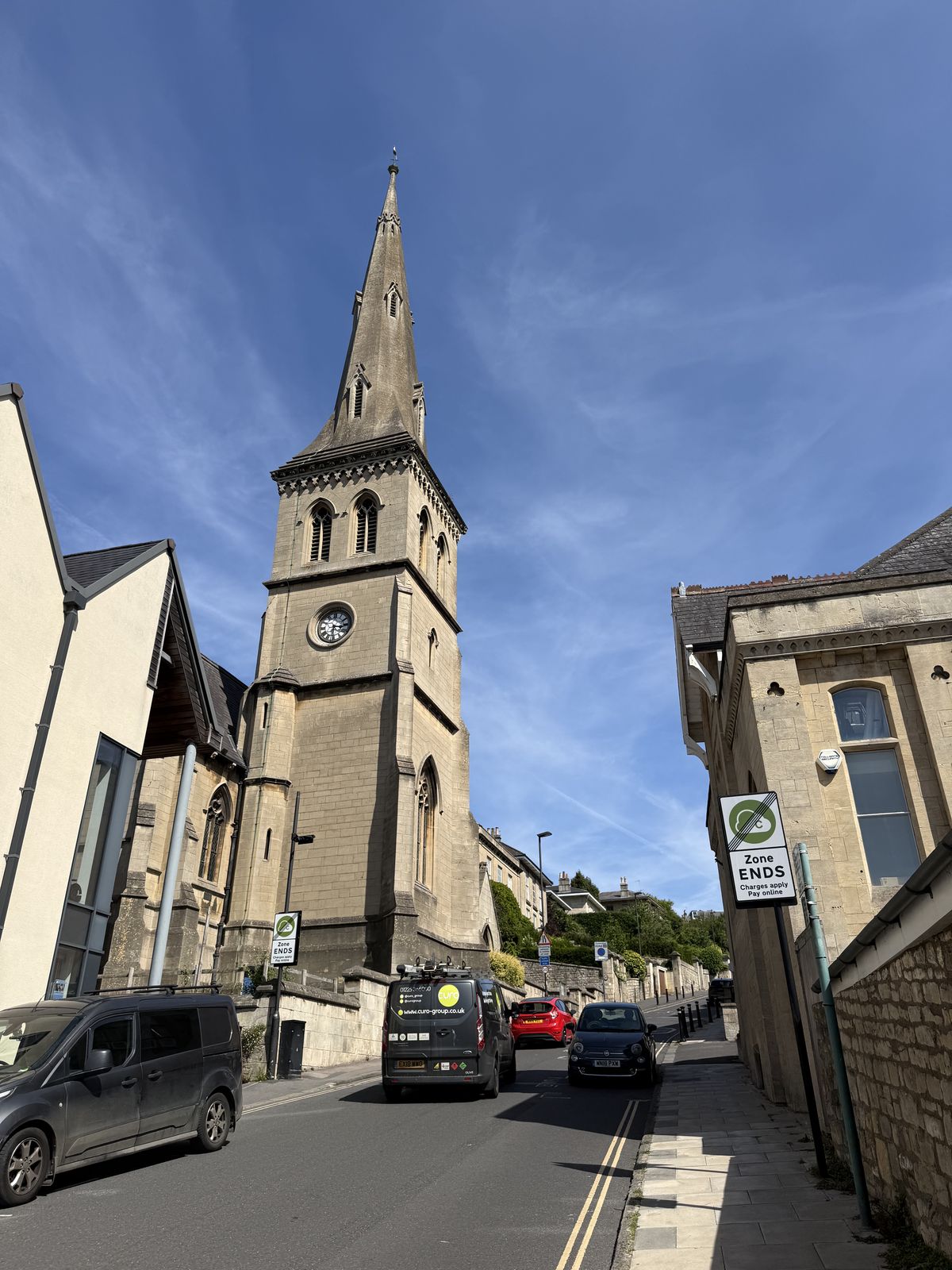
His second recurring gripe is people leaving the return too late in the day. "They plan the trip out perfectly and give no thought to the train home," he says. On a day trip he steers travellers to check the last sensible return before they even set off, so the afternoon in Bath runs to a known deadline rather than a panic at the station. The third, for drivers, is assuming they can park in the centre. Bath's central parking is limited and pricey, and the city runs a Clean Air Zone, so his standing advice is to head straight for a Park and Ride and take the short bus in. None of this is complicated. It is simply the difference, in his experience, between a smooth day and a stressful one.
What else can you reach from Bath by car?
Driving only really pays off when Bath is one stop of several, and its position opens up two of England's best day-trip pairings: Stonehenge, about a 45 to 50 minute drive south, and the Cotswolds villages just to the north. Both are genuinely awkward to reach by public transport, which is the strongest single argument for taking the car.
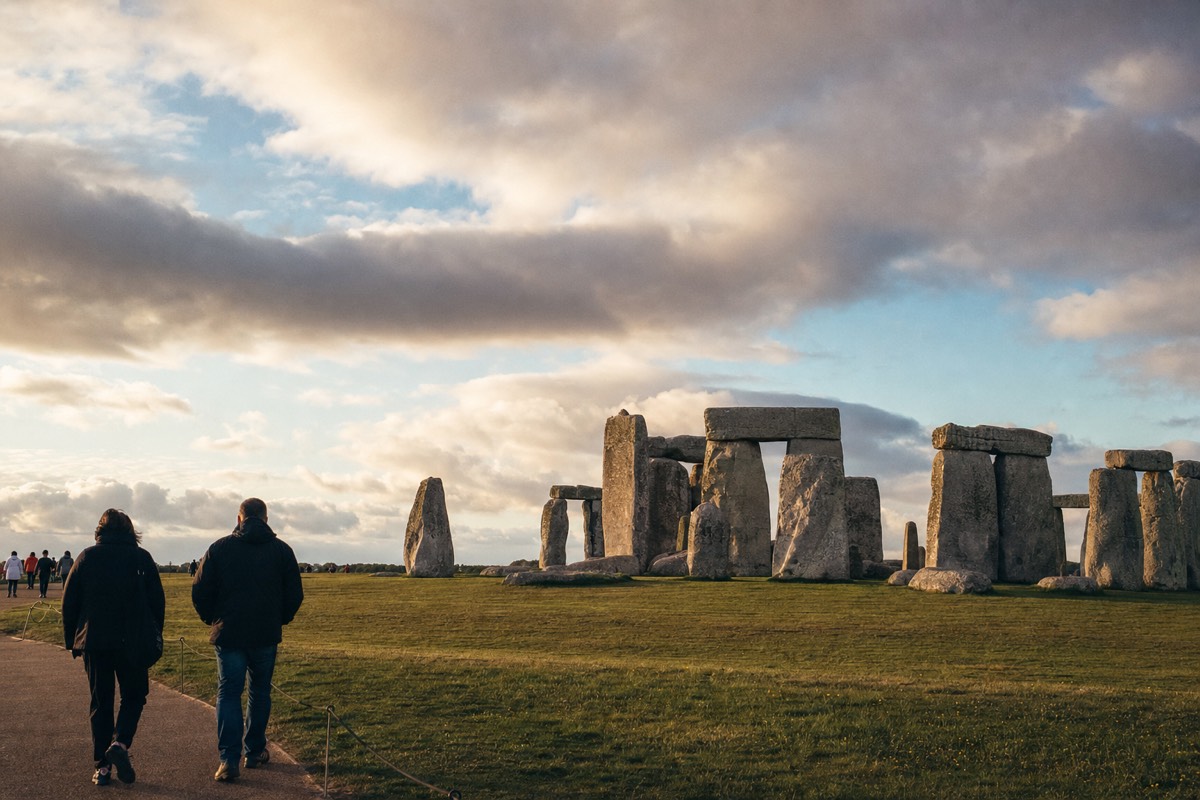
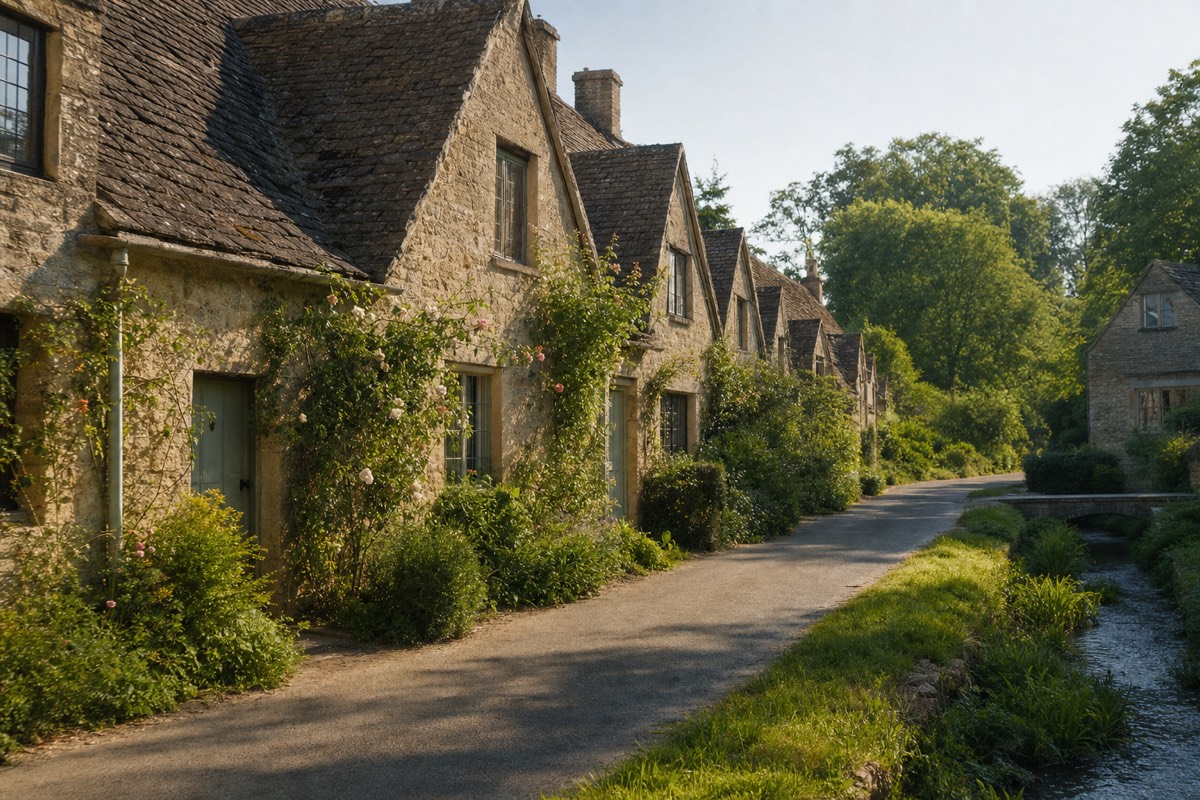
If you have a car for the trip, Bath stops being a destination and becomes a base. To the south, Stonehenge is under an hour away, its sarsens standing up to seven metres tall, and it draws around a million visitors a year, so a timed ticket is wise there too. To the north spreads the Cotswolds National Landscape, England's largest at 787 square miles, threaded with honey-stone villages like Castle Combe, Lacock and Bibury that share Bath's warm building stone. Neither is a quick hop on a train, which is exactly why the car earns its keep across a multi-stop day.
| Destination | Rough drive from Bath | Why pair it |
|---|---|---|
| Stonehenge | About 45 to 50 minutes south | World-famous stone circle, hard to reach by transit |
| Cotswolds villages | Just north, minutes to an hour | Honey-stone villages, England's largest National Landscape |
| Bristol | A short hop west | Harbourside city, easy add-on |
The flip side is worth stating plainly. For Bath alone, on a single day, the car is usually the weakest option once you count the Clean Air Zone check and the Park and Ride shuffle. It comes into its own only when the map is bigger than one city, and a guided tour that bundles Stonehenge or the Cotswolds can deliver the same pairings without you touching a steering wheel.
Is a guided tour worth it over doing the trip yourself?
It depends on what you want to spend your energy on. Doing it yourself, by train, is faster and can be cheaper if you book an Advance fare, and it leaves you free to set your own pace in Bath. A guided tour costs more but folds the travel, the timing and often an extra stop like Stonehenge into one booking, so you plan nothing and decide nothing on the day.
The honest split is between people who enjoy running their own logistics and people who would rather hand them over. If you are comfortable buying a train ticket, reading a platform board and walking yourself around a compact city, the independent train trip is hard to beat on both speed and control. You choose your own train home, linger where you like, and skip what does not interest you. That freedom is the independent trip's real selling point, more than the fare saving.
A guided tour answers a different need. It is built for travellers who want the day to simply happen: a central London pickup, a coach that handles the M4, a route planned so nothing is missed, and frequently a second headline stop that would be a headache to reach by public transport. You trade some flexibility and pay a single inclusive price, but you carry no timetable in your head and make no connections. For a first-time visitor to England, or anyone who would rather look out of the window than at a departures board, that trade often makes the whole day more relaxing. If that sounds like your kind of day, a guided day tour from London to Bath is built exactly for it, and it takes the ticket maths off your plate entirely.
Neither is the right answer for everyone. The train wins on speed, cost and independence; the tour wins on ease and added stops. Decide which of those you value most on the day you have in mind, and the choice makes itself.
Frequently asked questions
Is the train direct from London to Bath?
Yes. Great Western Railway runs direct trains from London Paddington to Bath Spa, roughly every half hour, with the fastest taking about 1 hour 20 minutes. You do not need to change.Which London station goes to Bath?
Trains leave from London Paddington. Coaches mostly leave from London Victoria Coach Station. Make sure you head to the right one for your ticket.What is the cheapest way to get from London to Bath?
The coach usually has the lowest fare, at around three hours each way. If you want the train, book an advance off-peak ticket well ahead of time for the best price, and consider a Railcard.How long does the drive take?
About 2 hours 15 minutes via the M4 for the 115-mile trip in normal traffic. Use a Park and Ride rather than hunting for central parking, and check the Clean Air Zone if your vehicle is higher-emission.Can I visit Bath from London in a day?
Easily. With a fast train each way, you get a full day in a compact, walkable city. See how the day breaks down in our guide to what to do in Bath in one day.Plan your next step
Stonehenge & Bath from London
Have a travel date in mind? See Stonehenge and Bath with the coach journey and guide arranged together. Check your date before arranging the rest of your day.
About 11 hours; Victoria Coach Station departure, Gloucester Road return. Choose the admission option you want; meals and hotel pickup are not included.
Start with this option, or compare the choices below.
Choose a date to see the published schedule.
Compare the options for your Bath plans
| Experience | Why choose it | Allow | What to account for |
|---|---|---|---|
| Stonehenge & Bath from London | See Stonehenge and Bath with the coach journey and guide arranged together. | 11 hours | About 11 hours; Victoria Coach Station departure, Gloucester Road return. Choose the admission option you want; meals and hotel pickup are not included. |
| Castle Combe, Stonehenge & Bath from London | Combine a Castle Combe stop with time in Bath and Stonehenge on one small-group day. | 11.5 hours | About 11½ hours from London. Stonehenge admission costs extra; Roman Baths entry and meals are not included. Minimum age 3. |
| City walk & Roman Baths entry | Pair a Blue Badge guided city walk with a self-guided visit inside the Roman Baths. | 3 hours | About 3 hours; meet outside Bath Abbey’s main doors. Roman Baths entry and audio guide included; your guide does not lead the visit inside. |